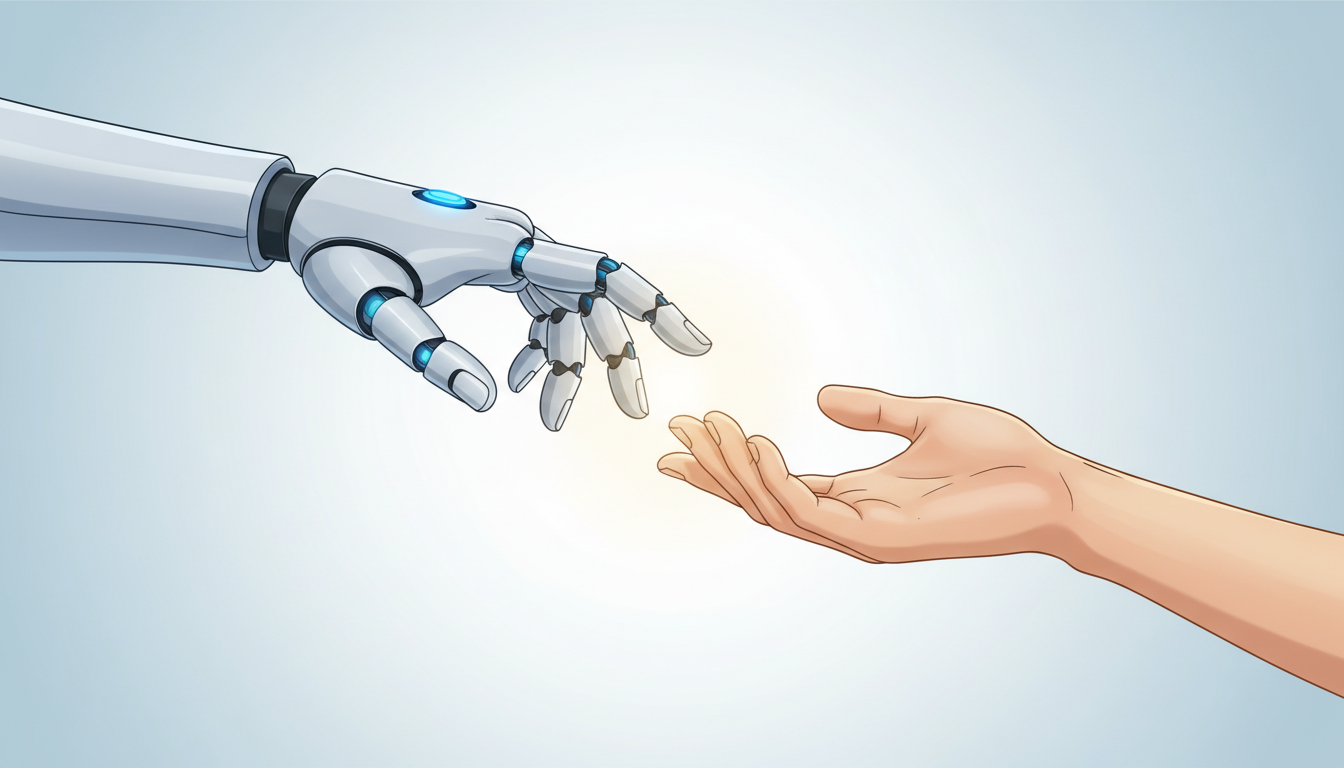
The New Status Symbol of Tokens

The year 2026 has already delivered a parade of expensive, AI-enabled nonsense. We have seen smart toilets that monitor gut health and pocket pets that simulate sentience before starving. But the real shift is happening elsewhere. OpenClaw has emerged as the undisputed leader of the personal AI movement.
It is no longer enough to own a digital asset or a rare hardware peripheral. Today, the ultimate status symbol is the ability to automate your own life using raw computational tokens. OpenClaw is the engine driving this transition from manual living to automated existence. It is the ringleader of a new digital circus.
'Optimists make money, while pessimists only sound smart.'
This platform allows users to outsource the mild inconveniences of being human. You can deploy skills for email summarization or diet tracking with minimal effort. In fact, Nvidia CEO Jensen Huang labeled it one of the most important software releases in history. It turns your daily tasks into a stream of processed data points.
| Feature | Old Method | OpenClaw Method |
|---|---|---|
| Manual Reading | Daily Token Digest | |
| Health | Guesswork | Diet Tracker Skill |
| Social | Exhaustion | Automated Soul |
The excitement surrounding this tool has even caused nationwide hardware shortages. Users are desperate to run their own agents, regardless of the technical overhead. Therefore, the barrier between the technical elite and the casual user is dissolving. OpenClaw is the weapon of choice for the modern indie hacker. It represents a total shift in how we perceive personal productivity and digital autonomy.
Goal: To achieve total automation of mundane human interactions through high-frequency token consumption and agentic workflows.
Filtering the Silence of the Slop

Security has been the primary weapon used by critics to attack OpenClaw's legitimacy. The project has been hit with over 1,100 security advisories since its initial January release. However, the reality of these vulnerabilities is far more nuanced than the headlines suggest. Creator Peter Steinberger is currently leading the charge to purify the codebase.
Steinberger recently took the stage at TED and AI Engineer Europe to clarify the situation. He revealed that approximately 650 of these issues have already been resolved or closed. But the remaining reports are often AI-generated noise, or what engineers call 'slop'. These reports are easy to identify because they are often too polite.
Warning: If a security report includes an apology or excessive politeness, it is likely AI-generated slop and should be disregarded immediately.
In the world of high-stakes security, professionals rarely apologize for finding a backdoor. Therefore, Steinberger uses a strict filtration system to maintain the integrity of the project. He is focused on the core infrastructure rather than the fabricated concerns of automated bots. This aggressive stance is necessary to keep OpenClaw functional and secure.
- 1Identify the origin of the security advisory.
- 2Filter out any reports containing 'polite' AI language patterns.
- 3Prioritize vulnerabilities that impact the private vault architecture.
- 4Deploy patches directly to the main branch for immediate user protection.
The goal is to move past the experimental phase and into a period of hardened stability. Steinberger is not interested in the opinions of non-technical thread boys. In fact, his focus remains entirely on the engineering elite who understand the risks of agentic AI. Security is not a suggestion; it is the foundation of the entire personal assistant ecosystem.
Deploying Your Own Private Intelligence
While many enthusiasts rushed to buy Mac minis, the professionals are looking toward the cloud. Running OpenClaw on a virtual private server offers superior flexibility and control. Hostinger has emerged as a primary sponsor for those who value isolated execution environments. This setup ensures your agent operates within a private vault.