The Dawn of Autonomous Agents: How Auto-GPT Redefines Prompt Engineering

The landscape of artificial intelligence is shifting from reactive chatbots to proactive agents. Auto-GPT, powered by GPT-4, represents the first major step in this evolution. Unlike traditional interactions where a human must provide every prompt, Auto-GPT utilizes a mission-oriented approach. By setting a high-level goal, the system uses a combination of automated Chain of Thought prompting and reflection to delegate tasks to itself. It effectively creates a loop of thinking and acting until the objective is met, or it encounters a logic error it cannot bypass. This recursive capability allows the AI to perceive, think, and act independently within defined parameters.
Andre Karpathy, a notable figure in the AI community, has described this as the next frontier of prompt engineering. He views a single GPT call as a 'thought,' and stringing these thoughts into loops creates an agent capable of complex reasoning. This development moves the burden of micro-management from the human user to the machine. Instead of coming up with a dozen individual steps to research a market or build a website, the user simply defines the end goal in natural English. This layer of automation is not just a convenience; it is a fundamental change in how we perceive the utility of large language models.
One of the most impressive upgrades to the original Auto-GPT framework is its ability to write and execute its own scripts. This allows the AI to debug its own code in real-time. If a script fails, the agent analyzes the error, rewrites the code, and attempts the execution again. This self-correcting cycle is a glimpse into a future where software development is partially or fully automated. We are moving away from manual coding toward a paradigm where the AI acts as the lead developer, architect, and quality assurance tester all at once.
| Interaction Type | Traditional GPT-4 | Auto-GPT Agents |
|---|---|---|
| Control | Human-led per prompt | Goal-oriented autonomy |
| Logic | Single-step reasoning | Recursive self-prompting |
| Tool Use | Requires manual copy-paste | Can execute scripts & web search |
| Efficiency | High human effort | High machine autonomy |
Multimodal Integration and Persistence: MemoryGPT and Voice-to-App Development
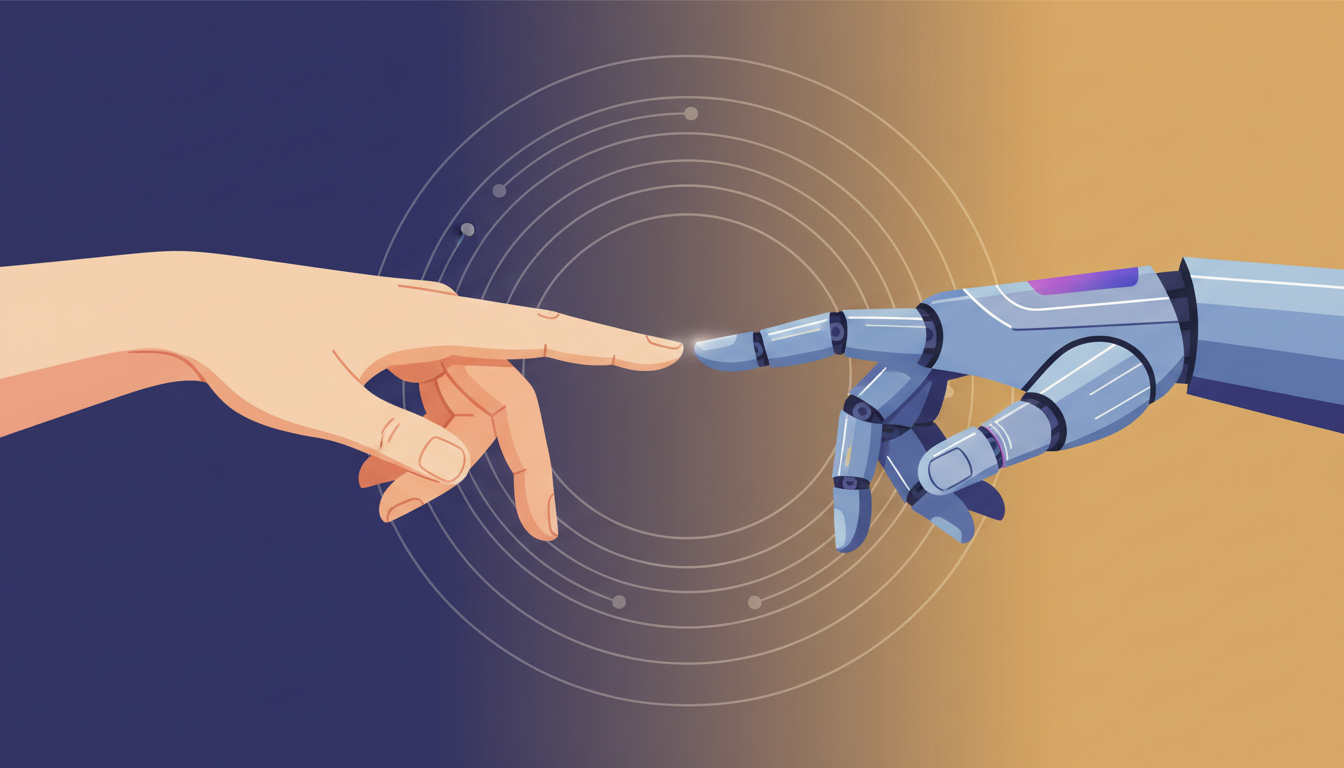
Beyond raw autonomy, the integration of long-term memory is solving one of the most significant pain points of current AI: the lack of continuity. MemoryGPT has emerged as a solution that allows ChatGPT to remember previous conversations permanently. This persistence transforms the AI from a blank slate into a personalized assistant that understands a user's ongoing projects, preferences, and history. Imagine a coding assistant that remembers the specific architecture of a project you discussed weeks ago; this is the level of personalization that long-term memory brings to the table.
Multimodal capabilities are also being pushed to the extreme. Demonstrations by developers like McKay Wrigley show that we can now build full-stack applications using nothing but voice commands. By syncing speech-to-text with an autonomous coding assistant, a user can describe a social network's features—such as profile creation and mobile optimization—and watch as the AI generates the schema, styles the frontend with Tailwind, and deploys the code to GitHub. This 'Jarvis-style' interaction suggests that the barrier to entry for software creation is effectively collapsing.
ここからが大事な
ポイントです
具体例・注意点・明日から使えるヒントを整理しています。
✨無料閲覧で全文 + 図解の完全版を3日間いつでも読み返せる
あなたの好きな動画も、
1〜2分でAI要約
📚 お気に入り保存 + ✨ あなたの動画をAI要約
(無料登録10秒)
✏️ この記事で学べること
- ▸Auto-GPT
- ▸MemoryGPT AI
10秒で完了・パスワード作成不要