The Paradigm of Multi-Agent Collaboration in Artificial Intelligence
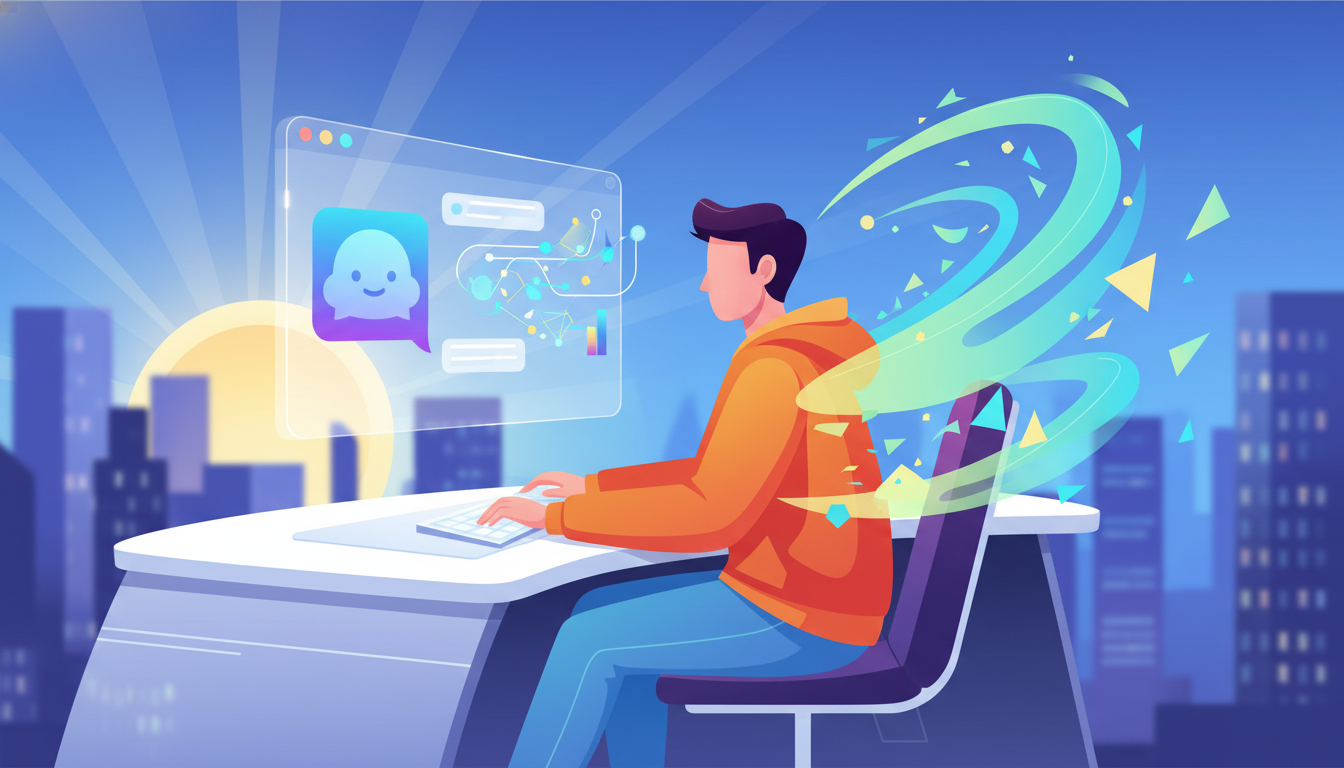
The landscape of artificial intelligence is shifting from monolithic models to decentralized, collaborative systems. The project known as ChatDev represents a significant breakthrough in how we utilize large language models. Instead of treating an AI as a single assistant, researchers are now assigning specific identities and motivations to different instances of the AI. By creating a simulated corporate structure, these agents can engage in natural language conversations to solve complex engineering problems that would typically require a team of human professionals.
In this framework, each agent is given a specific role such as CEO, CTO, or Programmer. This specialization allows the AI to focus on distinct aspects of the development lifecycle, from high-level decision-making to granular code implementation. The synergy between these agents mimics the operational flow of a real-world software house, proving that collaborative intelligence can outperform a single, unguided AI prompt. This approach leverages the inherent strengths of GPT-3.5 and GPT-4 by forcing the models to 'talk through' the logic of their tasks.
| Agent Role | Primary Responsibility | Key Output |
|---|---|---|
| CEO | Strategic planning and goal setting | Project Vision |
| CTO | Technical architecture and logic validation | System Design |
| Programmer | Code writing and implementation | Source Code |
| Reviewer | Bug detection and cross-examination | Quality Assurance |
The significance of this method lies in its ability to simulate human-like reflection and evaluation. When agents make decisions, they don't just execute them; they reflect on the outcomes and adjust their strategies accordingly. This internal feedback loop is crucial for maintaining project direction and ensuring that the final product aligns with the user's initial requirements. It marks the beginning of an era where software is 'socially' engineered by machines.
Architecting the ChatDev Environment: Roles and Communication Chains
To facilitate effective teamwork, ChatDev establishes a structured chat chain that defines the hierarchy and flow of communication. This is not a chaotic group chat; it is a highly organized protocol where agents interact in a specific sequence. For example, the programmers take direct instructions from the CTO, ensuring that the code aligns with the technical architecture established earlier in the process. This hierarchical communication prevents the project from descending into confusion and ensures that every line of code has a logical predecessor.
Interestingly, the researchers utilized a modified version of the waterfall software development model. While often criticized in human contexts for its rigidity, this model provides a clear, linear path for AI agents to follow. By moving through distinct phases—designing, coding, testing, and documenting—the agents can achieve a level of organization that is difficult to maintain in more fluid, agile environments. This structure acts as a guardrail for the AI's creative but sometimes erratic processes.
ここからが大事な
ポイントです
具体例・注意点・明日から使えるヒントを整理しています。
✨無料閲覧で全文 + 図解の完全版を3日間いつでも読み返せる
あなたの好きな動画も、
1〜2分でAI要約
📚 お気に入り保存 + ✨ あなたの動画をAI要約
(無料登録10秒)
✏️ この記事で学べること
- ▸AI
10秒で完了・パスワード作成不要