 まなびクマがこの動画から学べる学習ポイントを解説
Understanding Why People Are Afraid of New Things
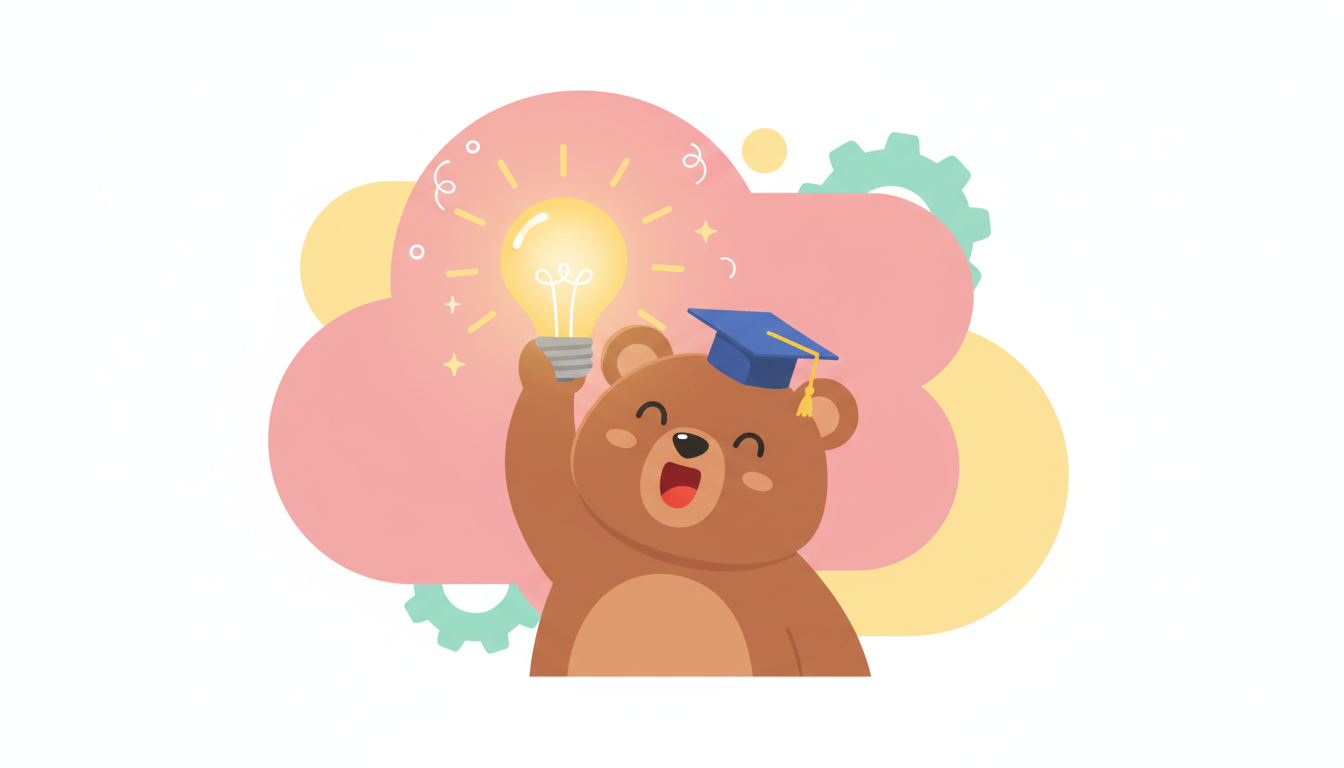
Starting something new is like planting a tiny seed in a big, busy garden. Many people in the garden like things exactly the way they are right now. This is called the status quo, and it exists because the current system is working well enough for some people. Those who benefit the most from the old ways will be the ones who try hardest to stop your new idea. They are not trying to be mean; they are just protecting what they have. If a new idea fails, they worry they might lose their jobs or their comfort. This is why most people do not want to be the very first to try something risky kuma!
Imagine you are a brave explorer looking for a new path through a forest. Most people would rather stay on the old, dusty road because they know it is safe. They worry about what might be hiding in the tall grass. This fear of the unknown is natural, but it can make it hard for someone with a big dream to get started. You have to remember that not everyone is ready to jump into a new adventure right away. It takes a very special kind of person to look at an empty space and see a future path where no one else does.
Simon Sinek (Simon Sinek) tells us that we should not get angry at people who resist change. Instead, we should understand that their perspective is also valid in their own world. If you spend all your time fighting with people who say 'no,' you will run out of energy before you even start. It is like trying to push a giant boulder up a mountain all by yourself. It is much better to look for friends who want to help you push it. These people are out there, but you have to find them first kuma.
When we talk about new ideas, we are often talking to people who are comfortable. If you come in and say you are going to change everything, they feel like you are taking away their safety. This is especially true for neurodiverse people or those with very unique ways of thinking. Their ideas can seem scary because they challenge the 'normal' way of doing things. But remember, every big invention we have today was once a 'scary' new idea that someone had to protect and grow.
Trying to convince a cynic is like trying to convince a cat to go for a swim. They just do not want to do it! Instead of wasting your breath, you should look for the people who are already standing by the water, curious about the waves. These are the ones who will help you build your boat. By shifting your focus from the people who doubt you to the people who believe in you, the whole journey becomes much more joyful and easy.
Focusing on the dream rather than the danger is the first step. When you share your vision, some people's eyes will light up, while others will look at the floor. Pay attention to the eyes that light up. Those are your partners in change. They are the ones who will stand by you when things get difficult, and they are the ones who will help you show the rest of the world that your new idea is actually a wonderful thing kuma!
The Secret Map: The Law of Diffusion of Innovation
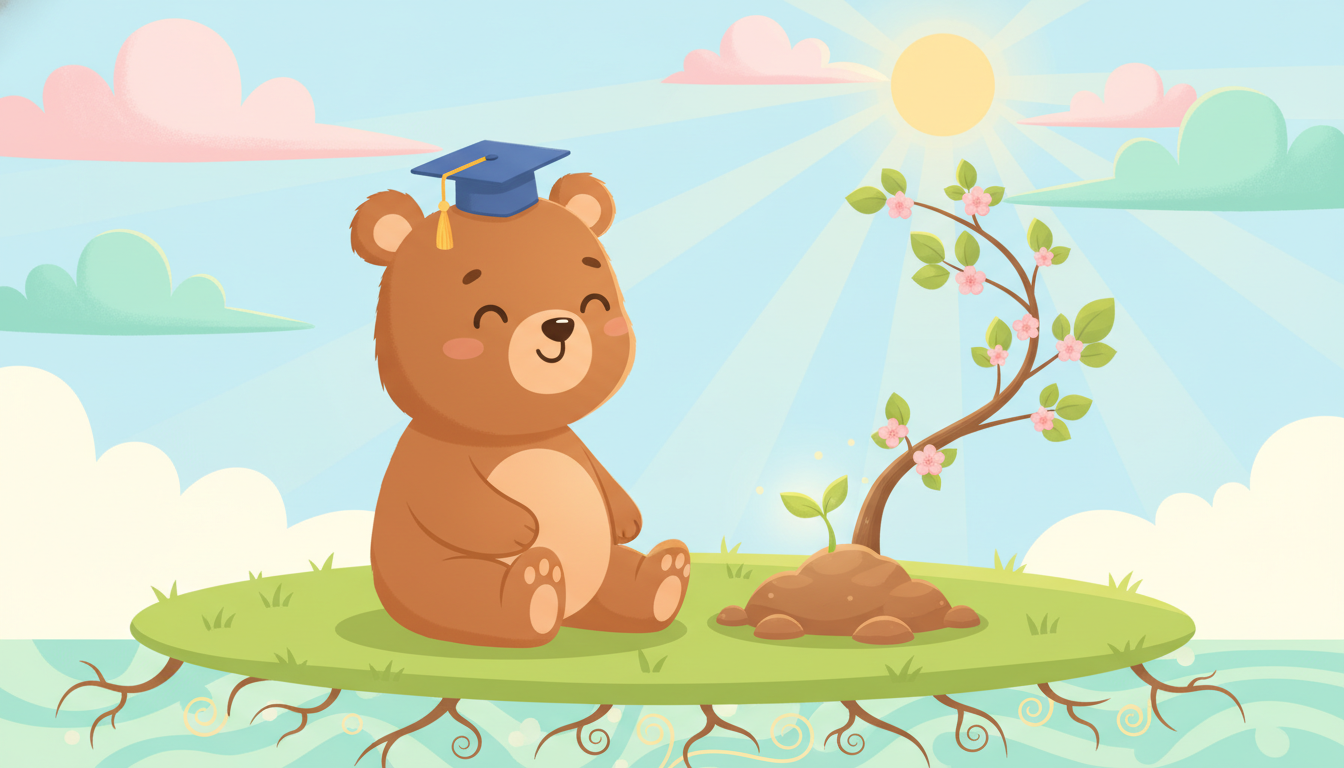
To make a big change, you need to understand a special rule called the Law of Diffusion of Innovation. This was discovered by a man named EMT Rogers (E.M.T. Rogers) back in the 1950s. He found that ideas spread through a group in a very specific pattern, like ripples in a pond. First, there are the Innovators, who make up only about 2.5 percent of the group. These are the people who love new things just because they are new. They are the ones who build the very first versions of things in their garages kuma!
Next come the Early Adopters, who make up about 12.5 percent. These people are very important because they use their intuition to decide what is good. They are willing to take risks and spend their time or money on an idea because it matches what they believe deep inside. They are the ones who will stand in a long line for two days just to see a new movie or get a new gadget. They do not do it because they have to; they do it because it makes them feel like they are part of something special.
ここからが大事な
ポイントです
具体例・注意点・明日から使えるヒントを整理しています。
✨無料閲覧で全文 + 図解の完全版を3日間いつでも読み返せる
あなたの好きな動画も、
1〜2分でAI要約
📚 お気に入り保存 + ✨ あなたの動画をAI要約
(無料登録10秒)
✏️ この記事で学べること
- ▸5
- ▸「」
10秒で完了・パスワード作成不要