The Impossible Loop of the Print Gallery
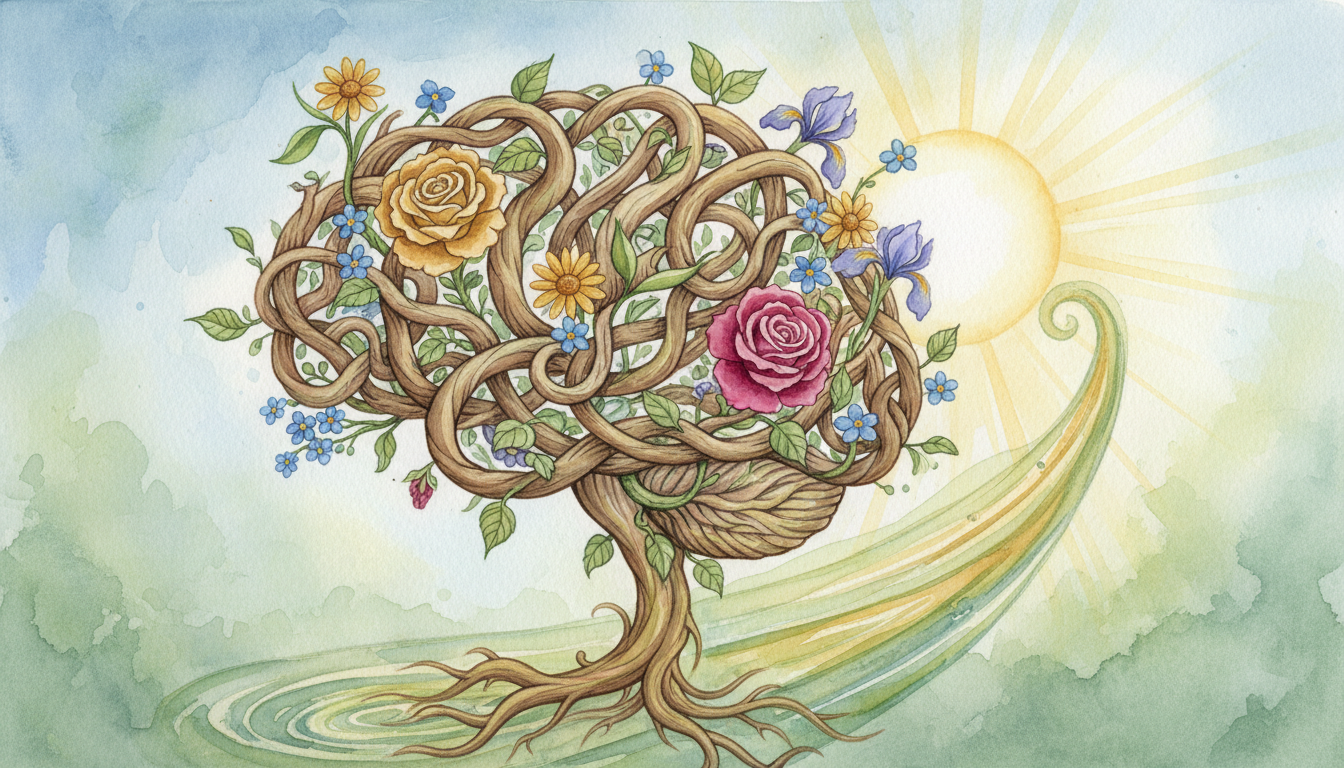
M.C. Escher was not a mathematician by training, yet his 1956 lithograph 'Print Gallery' remains one of the most profound visual puzzles ever conceived. Most viewers see a young man looking at a print of a ship, but as their gaze follows the city skyline, the world warps into a recursive loop. The viewer eventually finds the same young man standing inside the very gallery he is observing.
This is the Droste effect taken to a terrifying logical extreme. In a standard Droste image, a picture contains a smaller version of itself, leading to an infinite zoom. However, Escher achieved something far more complex by bending the canvas into a self-contained cycle. He described this particular work as the most peculiar thing he had ever done.
In fact, the center of the image was originally left as a blank white hole. Escher could not intuitively figure out how to bridge the gap where the zoom becomes infinitely small. For decades, this void remained a mystery, suggesting that the logic of the loop was perhaps too complex for human hands to finish.
This void represents the singular point where reality and recursion collide.
- Artist: M.C. Escher
- Year: 1956
- EffectDroste recursion
- Scale256-fold magnification
The Geometry of the Hidden Void
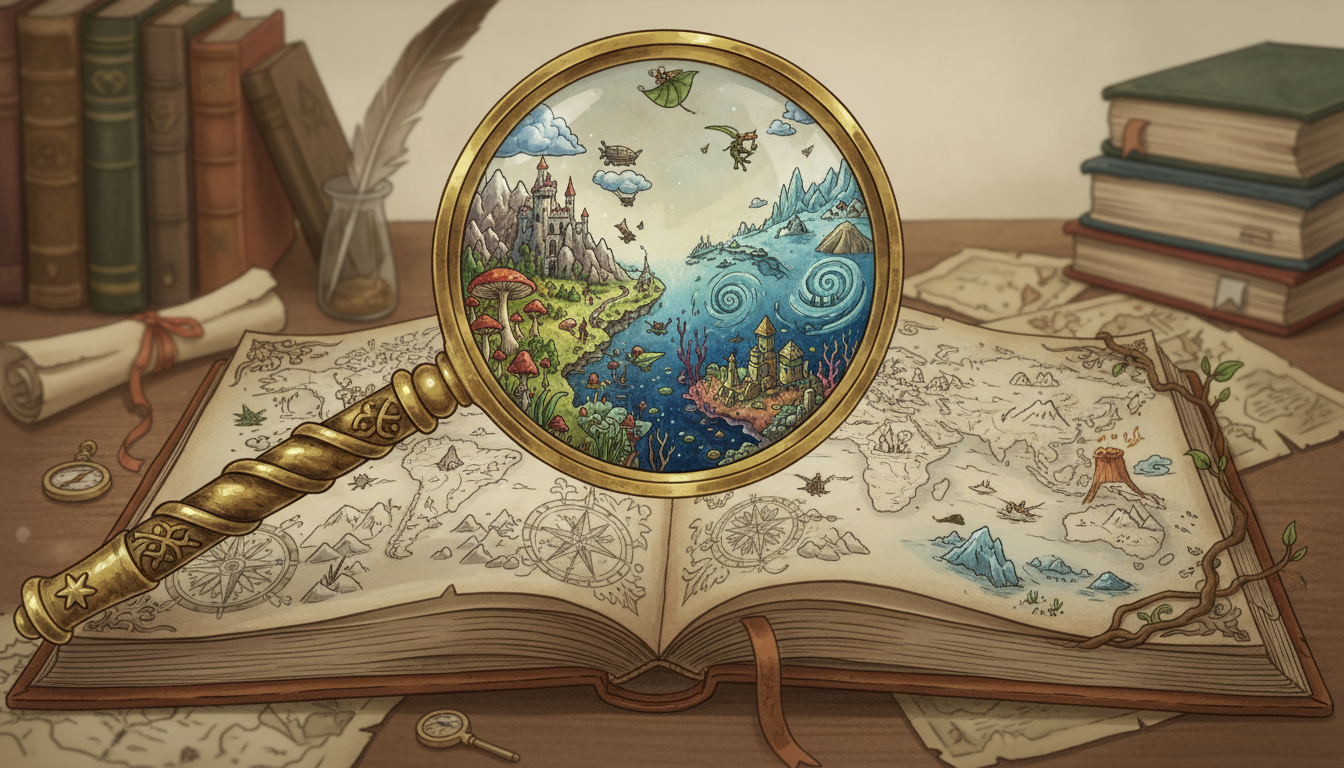
Mathematicians B. de Smit and H.W. Lenstra eventually solved the mystery of the central hole in 2003. They realized that Escher's intuition had led him to discover conformal mapping long before it was popularized in digital art. By reverse-engineering the piece, they found a precise mathematical backbone that dictates exactly how the image must warp.
Therefore, the blank space in the middle is not a mistake but a topological necessity. If you follow the lines from the village, they should form the gallery, but if you follow the gallery, they should form the print. This inherent ambiguity is compressed into that single, unpainted circle.
ここからが大事な
ポイントです
具体例・注意点・明日から使えるヒントを整理しています。
✨無料閲覧で全文 + 図解の完全版を3日間いつでも読み返せる
あなたの好きな動画も、
1〜2分でAI要約
📚 お気に入り保存 + ✨ あなたの動画をAI要約
(無料登録10秒)
✏️ この記事で学べること
- ▸『』
10秒で完了・パスワード作成不要