Defining Your Rich Life and the Conscious Spending Framework

The journey to financial freedom begins not with restriction, but with intention. Ramit Sethi emphasizes that a Rich Life is unique to every individual. It is not about mindlessly following societal expectations or copying what you see on Instagram. Instead, it involves identifying your Money Dials—categories like travel, health, or convenience where you derive the most joy. By identifying these dials, you can spend extravagantly on the things that truly matter while cutting costs mercilessly on the things that do not. This shift from reactive spending to intentional allocation is the cornerstone of sustainable wealth building.
To manage this transition, you must implement a Conscious Spending Plan (CSP). Unlike traditional budgeting, which focuses on past mistakes, a CSP looks forward, telling your money exactly where to go. This system is built on four distinct buckets based on your take-home pay. By categorizing your finances this way, you eliminate the guilt often associated with spending on luxuries, provided your foundations are secure. This framework allows you to enjoy your money today while simultaneously securing your future through disciplined, automated growth.
- Fixed Costs50-60% (Rent, utilities, groceries, transportation)
- Investments5-10%+ (401k, Roth IRA, index funds)
- Savings Goals5-10% (Emergency fund, vacations, down payments)
- Guilt-Free Spending20-35% (Dining out, hobbies, entertainment)
| Category | Recommended Percentage | Purpose |
|---|---|---|
| Fixed Costs | 50-60% | Essentials and survival |
| Investments | 5-10%+ | Long-term wealth and retirement |
| Savings | 5-10% | Short to mid-term goals |
| Guilt-Free | 20-35% | Living your Rich Life now |
Success in the first month depends on identifying your short-term and long-term goals. Short-term goals, such as paying off a specific debt or saving for a holiday, provide immediate psychological wins. Long-term goals, like early retirement or starting a business, provide the vision. The goal of month one is to stop being a passive observer of your bank account and start acting as the captain of your financial ship. If you cannot commit ten minutes to this foundation, the rest of the blueprint will likely fail.
Building Your Financial Moat and Eradicating Toxic Debt
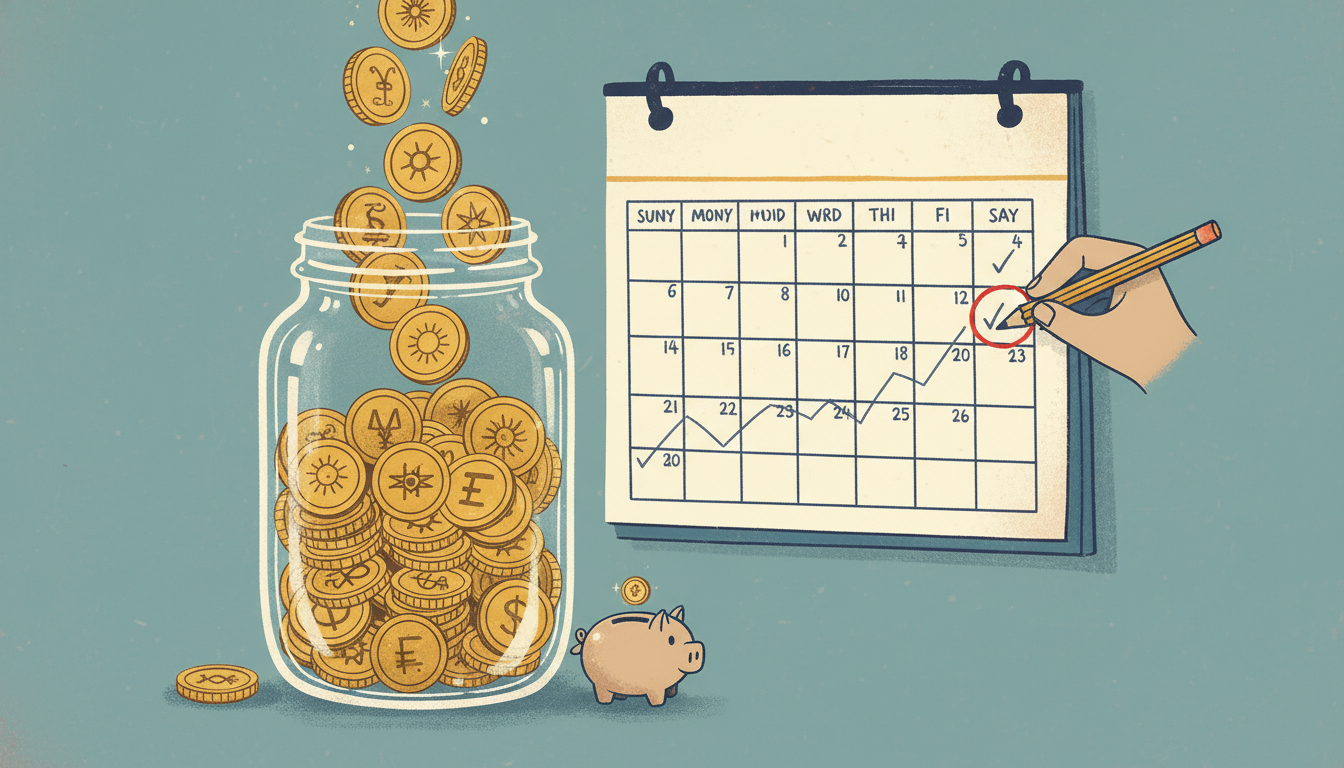
Month two focuses on protection and defense through the creation of a Financial Moat. Life is unpredictable, and without a safety net, minor emergencies like car repairs or medical bills can derail your progress. The primary tool for this is the Emergency Fund. Ideally, this should contain three to six months of essential living expenses stored in a high-yield savings account. This fund acts as a buffer, ensuring you never have to rely on high-interest credit cards or raid your investment accounts when things go wrong.
Once the moat is under construction, it is time to confront the 'financial bully': high-interest debt. Credit card debt is particularly toxic due to high APRs, often exceeding 25%. Paying only the minimum amount is a trap; for a $6,000 balance at 25% interest, the minimum payment barely touches the principal, potentially leading to 25 years of payments and over $12,000 in interest. You must be aggressive in eliminating these liabilities to free up cash flow for wealth-building activities.
ここからが大事な
ポイントです
具体例・注意点・明日から使えるヒントを整理しています。
✨無料閲覧で全文 + 図解の完全版を3日間いつでも読み返せる
あなたの好きな動画も、
1〜2分でAI要約
📚 お気に入り保存 + ✨ あなたの動画をAI要約
(無料登録10秒)
✏️ この記事で学べること
- ▸「 」 、 。 、 、 、 。
10秒で完了・パスワード作成不要