The Alien Rock That Proves Our Past
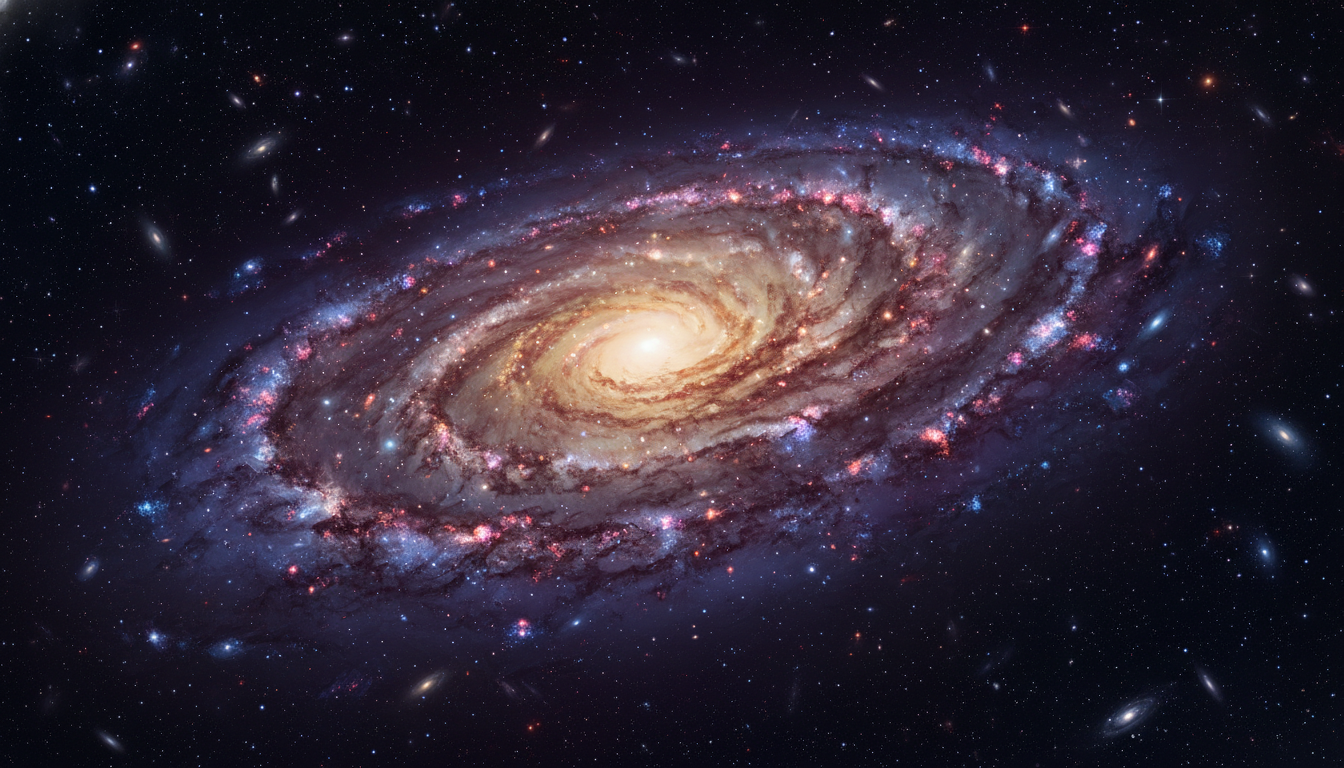
Scientists discovered a tiny two-centimeter chip inside a moon rock in 2019 that changed everything we know about Earth. This fragment is four billion years old and contains quartz, feldspar, and zircon crystals. These minerals only form under specific conditions found on a terrestrial planet.
This discovery confirms that a piece of our home was launched into space during a period of massive instability. It is a physical bridge to a history we thought was erased forever. Our planet is currently the only known world capable of sustaining life.
Therefore, understanding our origins is not just a matter of curiosity. It is a fundamental requirement for predicting our future in a volatile universe. The evidence suggests that 4.6 billion years ago, our solar system was nothing more than a swirling cloud of gas and dust.
A nearby supernova likely triggered the collapse of this solar nebula into a spinning disc. Gravity pulled the majority of the material toward the center to ignite the sun. The remaining debris began to clump and smash together in a violent dance of celestial mechanics.
This chaotic accretion process turned cosmic dust into the massive protoplanets we recognize today.
A Billion Years of Celestial Hellfire

Earth spent its infancy as a fiery hellscape known as the Hadean Eon. The name is fitting as the surface resembled the Greek underworld for hundreds of millions of years. Volcanoes dominated the landscape while the crust struggled to solidify.
However, the violence did not stop once the surface cooled. The Late Heavy Bombardment saw a relentless pummeling of the inner solar system by massive asteroids. These impacts were powerful enough to eject crustal material directly into orbit.
ここからが大事な
ポイントです
具体例・注意点・明日から使えるヒントを整理しています。
✨無料閲覧で全文 + 図解の完全版を3日間いつでも読み返せる
あなたの好きな動画も、
1〜2分でAI要約
📚 お気に入り保存 + ✨ あなたの動画をAI要約
(無料登録10秒)
✏️ この記事で学べること
- ▸46 、 、 。 、 、 、 。
10秒で完了・パスワード作成不要