The Myth of the Separate Language Module
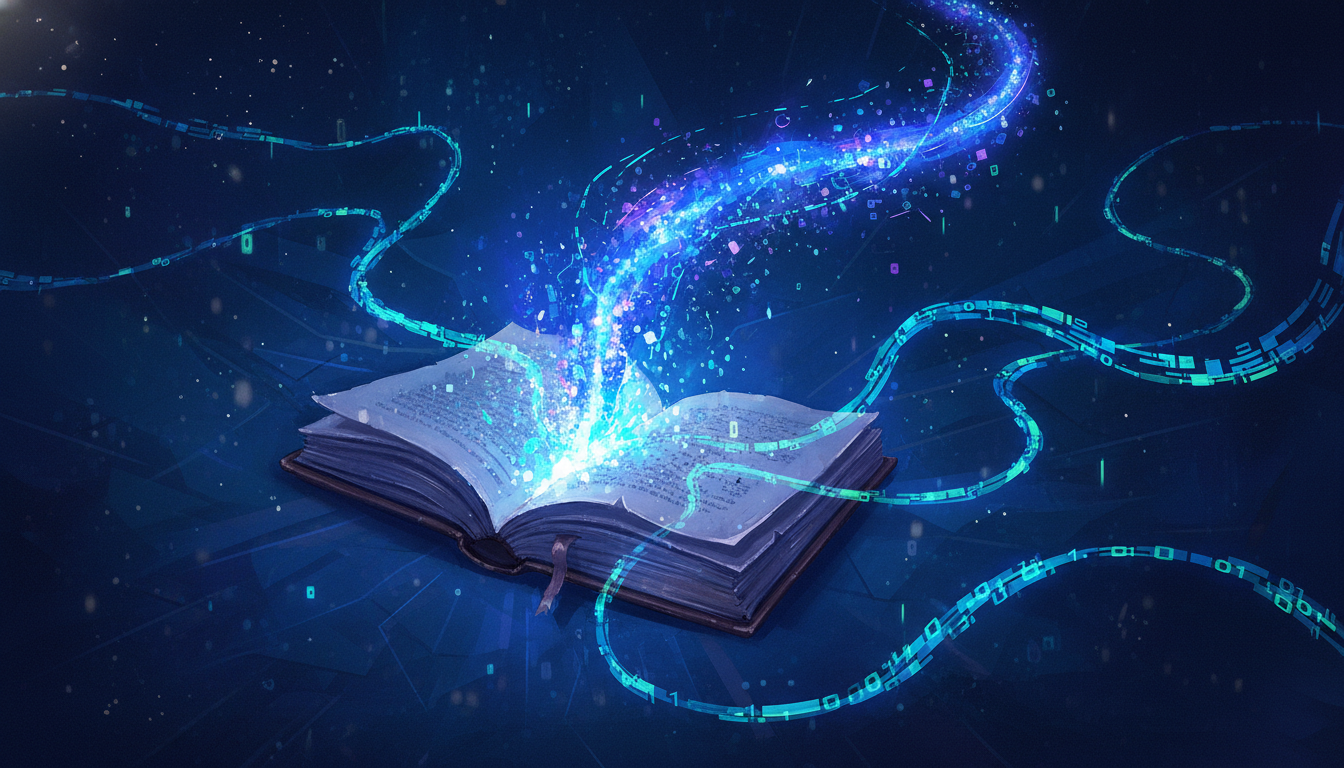
The traditional view of the brain is fundamentally flawed. For decades, we believed in a dedicated language module that operated in isolation from our physical movements. However, Dr. Eric Jarvis argues that speech and language are actually integrated motor production pathways.
The brain does not have a "black box" for grammar and another for sound. In fact, the same circuits that move your limbs are the ancestors of the circuits that allow you to speak. This means your ability to conjugate verbs is biologically inseparable from your ability to move your body.
But why can a dog understand "sit" while never being able to say it? The auditory pathway for perception is ubiquitous across the animal kingdom. However, the specialized production pathway is a rare evolutionary gift. Speech is a motor specialization that most species simply do not possess.
Therefore, humans are not just "smarter" than other primates in a general sense. We possess a unique forebrain takeover of the vocal system. This neural hijacking allows us to imitate and learn sounds, a feat that chimpanzees cannot achieve despite their high intelligence.
- 1Auditory perception is common across many species.
- 2Vocal production is a rare, specialized motor skill.
- 3Forebrain control distinguishes learned speech from innate grunts.
Feathered Cousins and Evolutionary Echoes
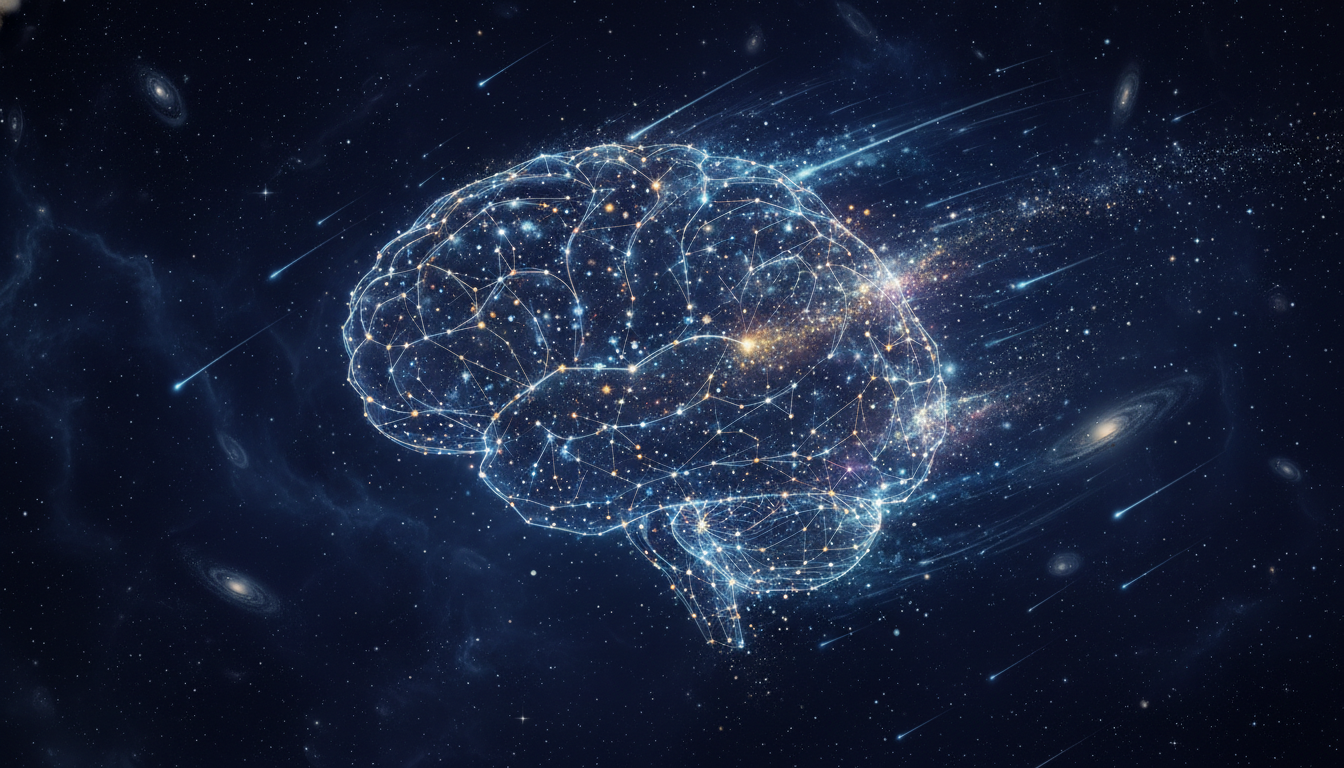
Nature often finds the same solution to a problem multiple times through convergent evolution. Humans share more in common with songbirds and parrots than we do with our closest primate relatives. These species have evolved parallel brain structures that allow for complex vocal learning.
Interestingly, hummingbirds take this coordination to an extreme level of performance. They clap their wings in unison with their songs to create specific syllables. This proves that the brain regions for movement and the regions for song are deeply intertwined across diverse lineages.
ここからが大事な
ポイントです
具体例・注意点・明日から使えるヒントを整理しています。
✨無料閲覧で全文 + 図解の完全版を3日間いつでも読み返せる
あなたの好きな動画も、
1〜2分でAI要約
📚 お気に入り保存 + ✨ あなたの動画をAI要約
(無料登録10秒)
✏️ この記事で学べること
- ▸、 。 、 、 。 、 、 。
10秒で完了・パスワード作成不要