The Everything Code: Why Your Savings Are Systematically Losing Value
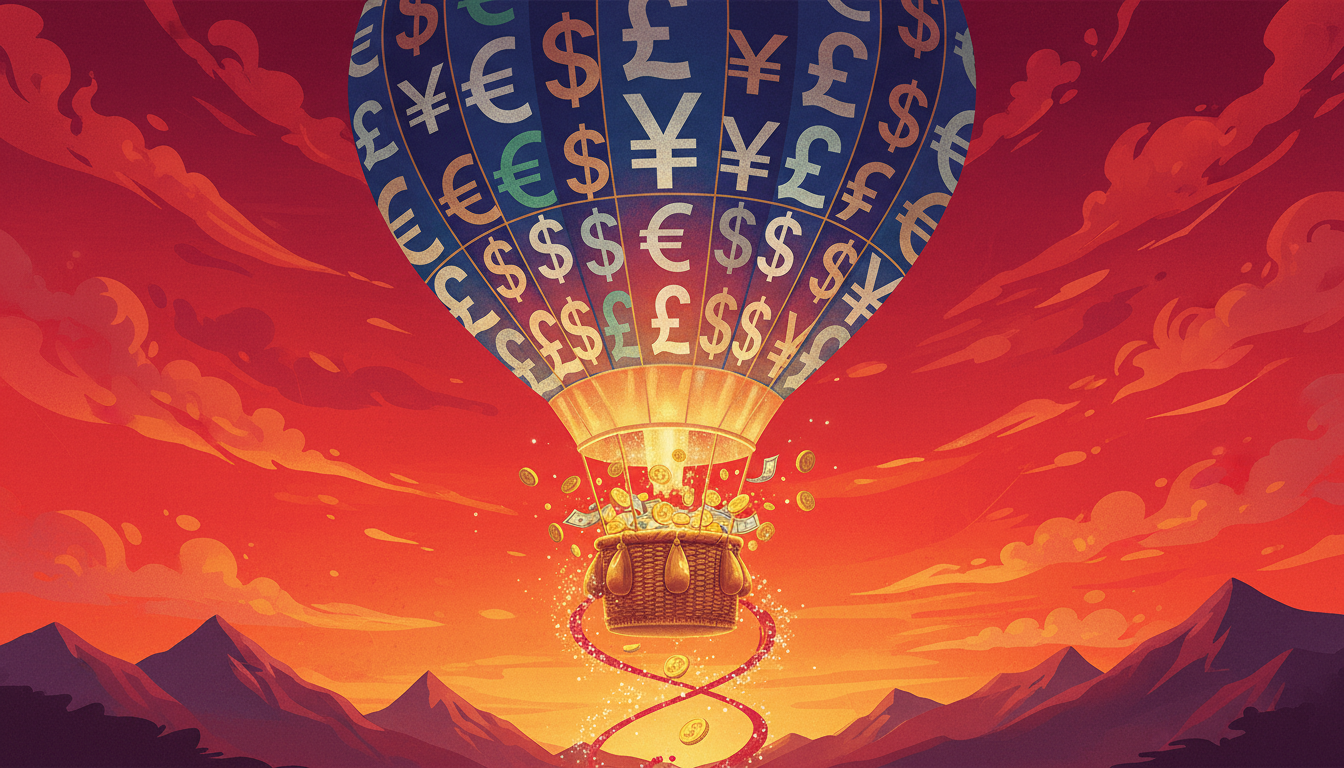
The global economy is currently trapped in a cycle of debt that began its most terminal phase in 2008. According to macro expert Raoul Pal, the financial system 'broke' during the Great Financial Crisis, leading to a global debt reset. To prevent a total collapse, central banks began using their balance sheets to pay the interest on previous debt cycles. This process, which Pal calls the Everything Code, relies on the systematic printing of money to service interest, which inevitably leads to the debasement of the currency. This is not a future threat; it is a current reality where the core collateral of the system is being manipulated to keep the illusion of growth alive.
For the average citizen, this manifests as a 'silent slaughter.' While politicians are hesitant to increase taxes by 15% due to the political suicide it would entail, they achieve the same result through currency debasement. When the money supply expands by 15% annually, the purchasing power of your savings drops by a similar margin. You are paying for the national debt through the loss of your wealth's value, even if the nominal number in your bank account stays the same. This hidden tax is the primary driver of the increasing anger and political polarization seen across Western societies today.
| Concept | Impact on Wealth | Political Feasibility |
|---|---|---|
| Direct Taxation | Immediate, visible loss of income | Extremely Low (Causes Riots) |
| Currency Debasement | Gradual, hidden loss of purchasing power | High (Often misunderstood by the public) |
| Default | Massive sudden loss of asset value | Non-existent (Would destroy the state) |
We are witnessing a shift where the government's interest payments are on track to exceed tax revenue and national defense spending. This trajectory suggests that the 'slaughter' will only intensify. The system's survival depends on the continuation of this debasement, making it essential for individuals to recognize that traditional saving in fiat currency is no longer a viable strategy for long-term wealth preservation. The rules of the game changed in 2008, and those who haven't updated their mental models are the ones most at risk.
Stores of Value: The Clash Between Physical Gold and Digital Scarcity

The debate over how to survive this debasement often centers on two primary assets: Gold and Bitcoin. Peter Schiff, a staunch advocate for gold and Austrian economics, argues that the current system is a 'shared delusion' and a massive bubble. Schiff maintains that gold has thousands of years of history as a store of value because of its intrinsic physical properties and universal demand. He views Bitcoin as a speculative mania with no underlying value, comparing it to the subprime mortgage-backed securities that crashed in 2008. From his perspective, the only way to avoid the 'black hole' of economic collapse is to hold tangible, non-debasable assets.
On the other side, Raoul Pal argues that while the macro environment is indeed dire, the solution lies in assets that benefit from the debasement. Pal suggests that the market has chosen Bitcoin and technology stocks as the primary vehicles for wealth preservation in the digital age. He points out that while gold has underperformed during the greatest period of debasement in history, Bitcoin and the NASDAQ have soared. This divergence suggests that the market is pricing in a future where digital scarcity and technological growth are more valuable than physical metals. Pal believes that fighting the market's choice is a recipe for missed opportunity and financial stagnation.
ここからが大事な
ポイントです
具体例・注意点・明日から使えるヒントを整理しています。
✨無料閲覧で全文 + 図解の完全版を3日間いつでも読み返せる
あなたの好きな動画も、
1〜2分でAI要約
📚 お気に入り保存 + ✨ あなたの動画をAI要約
(無料登録10秒)
✏️ この記事で学べること
- ▸AI
10秒で完了・パスワード作成不要