Understanding the Somatic Weight of Morning Dread
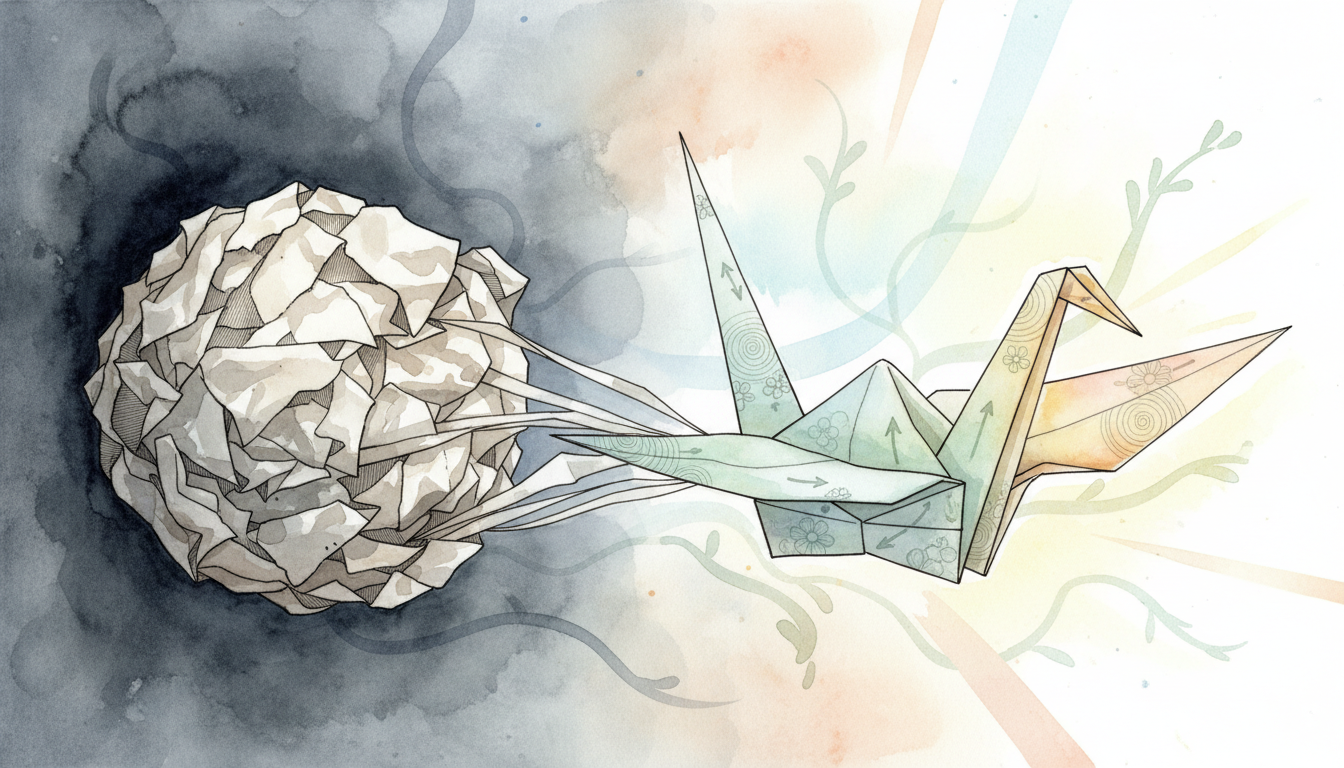
Many individuals wake up with a profound sense of heaviness, often described as an elephant sitting on their chest or a magnetic pull keeping them pinned to the bed. This sensation is rarely about the day's specific tasks; rather, it is a physiological manifestation of stored stress and unresolved tension. Mel Robbins describes this as a feeling of dread that triggers negative thought loops, where the brain immediately scans for potential failures or past mistakes. This state of paralysis is not a personal failing but a biological response to the transition from sleep to wakefulness, especially for those carrying high levels of internal stress.
Expert insight from Dr. Ann Davin, a specialist in depth psychology, suggests that this 'morning dread' is actually a somatic residue—a physical memory of past experiences where we lacked the resources to feel safe. When the body feels stuck in bed, it is often in a 'freeze' state, a primal defense mechanism. Instead of viewing this as laziness, it is crucial to recognize it as the nervous system attempting to protect itself. By identifying where this heaviness lives in the body—whether in the chest, the head, or the limbs—we can begin the process of addressing it through physical rather than purely mental means.
Traditional cognitive strategies like 'thinking positive' or 'pushing through' often fail because they ignore the biological reality of the body's frozen state. When you are in a state of high cortisol and dread, your prefrontal cortex—the part of the brain responsible for logical thinking—is effectively offline. Trying to reason your way out of a somatic response is like trying to talk a fire out of burning. You must address the fire at its source, which in this case is the physical sensation of the weight itself.
- The sensation of heaviness is often located in the chest or solar plexus.
- Negative thought loops are the mind's attempt to make sense of a physical dread.
- Recognition of the sensation is the first step toward somatic healing.
- Forcing yourself up can often reinforce the feeling of being overwhelmed.
| Concept | Description | Impact on Morning Routine |
|---|---|---|
| Somatic Residue | Stored physical tension from past stress | Creates a feeling of 'paralysis' in bed |
| Freeze State | A nervous system defense mechanism | Prevents the body from transitioning to action |
| Attribution Error | Blaming oneself for physiological sensations | Increases shame and decreases motivation |
The Theory of Somatic Inquiry and Body Memory

The work of Ann Davin focuses on the unconscious mind and how it impacts the human experience through the body. Somatic inquiry is a practice that allows the body to 'speak its mind' through movement, bypassing the need to intellectually figure out why we feel a certain way. For Mel Robbins, the root of her morning dread was traced back to childhood experiences where the act of waking up was associated with confusion and lack of safety. These experiences create a blueprint in the body that the nervous system follows decades later, regardless of the current life circumstances.
When we experience trauma or chronic stress as children, we often suffer from what Dr. Paul Conti calls an 'attribution flaw.' Children do not have the capacity to attribute bad behavior to others; instead, they internalize it as a flaw in themselves. This internalization becomes stored as a physical sensation—a bracing or a freezing—that gets triggered every time we enter a similar state, such as the vulnerability of waking up. The goal of somatic practice is to 'thaw' these frozen sensations so the energy can finally move through and out of the body.
ここからが大事な
ポイントです
具体例・注意点・明日から使えるヒントを整理しています。
✨無料閲覧で全文 + 図解の完全版を3日間いつでも読み返せる
あなたの好きな動画も、
1〜2分でAI要約
📚 お気に入り保存 + ✨ あなたの動画をAI要約
(無料登録10秒)
✏️ この記事で学べること
- ▸「」
10秒で完了・パスワード作成不要