Beyond Rigid Equations: The Rise of Neural Robot Dynamics
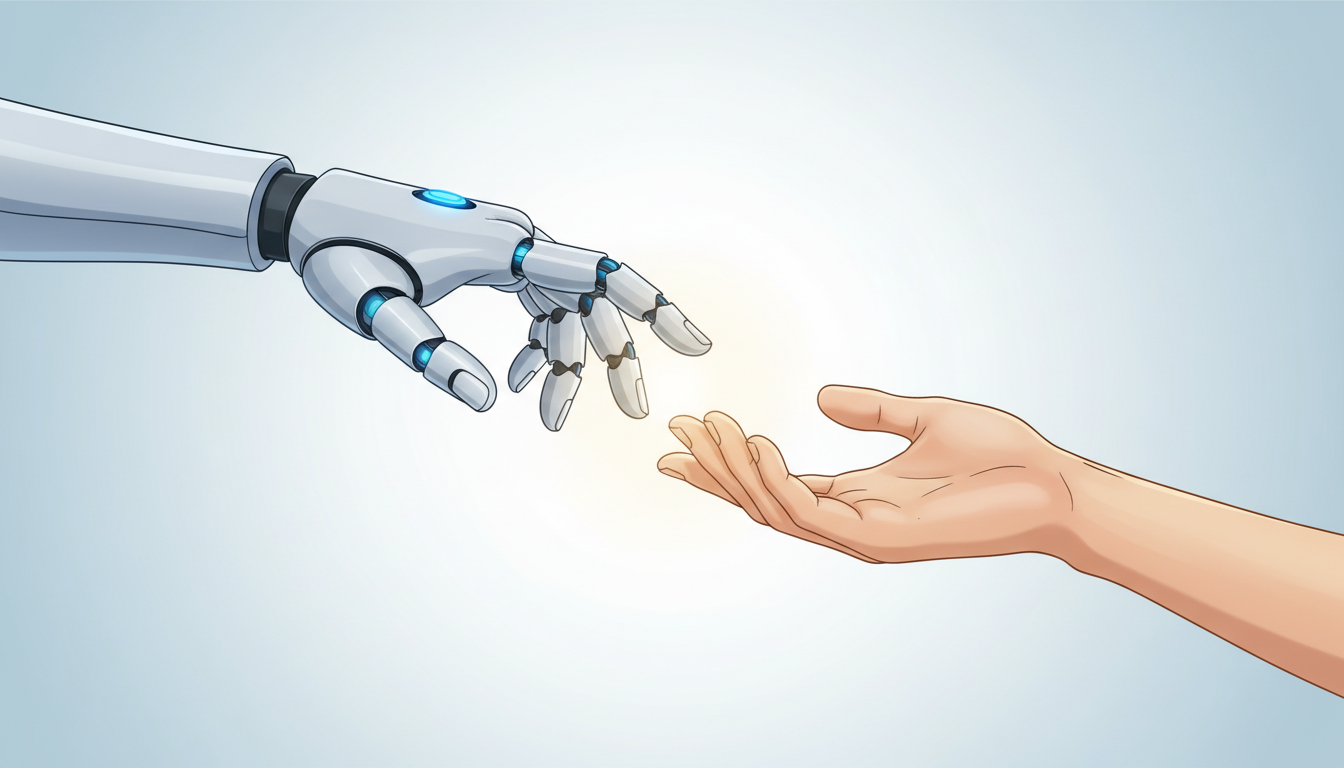
For decades, the robotics industry has struggled with the transition from controlled laboratory environments to the messy, unpredictable nature of the real world. While we see impressive videos of robots performing parkour or backflips, these feats are often conducted in highly optimized settings where every variable is pre-calculated. The real challenge lies in mundane tasks like folding laundry or handling soft, deformable objects under varying light conditions. Traditional methods rely on handwritten physics equations that, while precise, are notoriously brittle and difficult to adapt to new scenarios.
Enter NVIDIA's latest breakthrough: Neural Robot Dynamics, or NERD. This framework represents a fundamental shift in how we approach robotic intelligence. Instead of forcing a robot to follow a static set of rules, scientists are teaching robots to develop an internal 'imagination.' By observing thousands of frames of physical interaction, the AI learns to predict the next state of its environment based on experience rather than just theory. This allows the robot to build a robust mental model that anticipates the consequences of its movements before they even happen.
By moving away from hard-coded instructions, NERD enables a level of flexibility that was previously thought impossible. A robot trained with this neural physics solver does not need to be manually retuned whenever it encounters a new object shape or a different floor material. This self-supervised learning approach mirrors the way biological organisms learn to navigate their surroundings, prioritizing sensory feedback and outcome prediction over abstract mathematical proofs.
| Aspect | Traditional Hand-Coded Demos | NERD Neural Dynamics |
|---|---|---|
| Environment | Controlled and static | Messy and unpredictable |
| Adaptability | Low (requires manual code) | High (self-learning) |
| Physics Engine | Brittle and slow | Fluid and fast |
This technology is not just about making robots faster; it is about making them useful in everyday human environments. The ability to handle diverse tasks without constant human intervention is the missing link in the automation revolution. As we move forward, the focus is shifting from 'how to code a specific move' to 'how to teach a robot to understand the world.'
Solving the Sim-to-Real Gap: Why Traditional Physics Fails
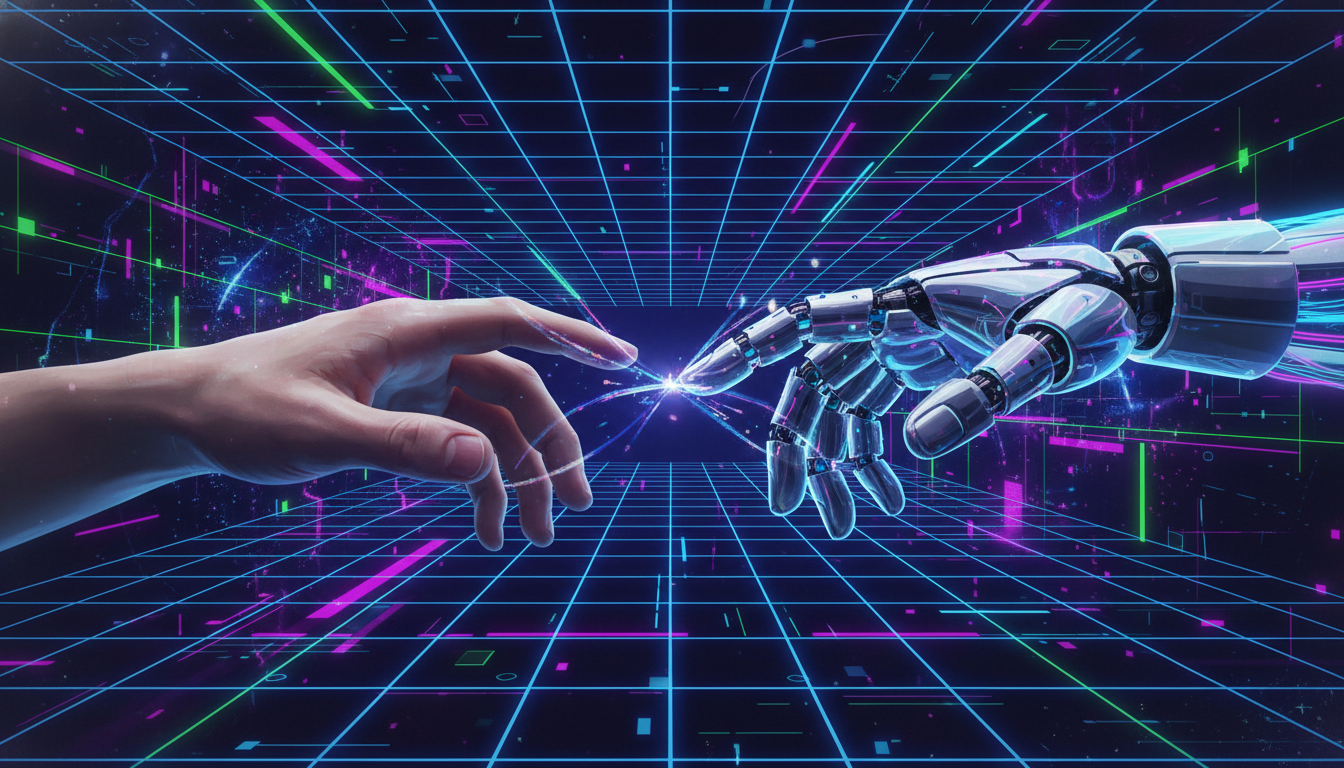
The 'Sim-to-Real' gap is a well-known hurdle where AI agents perform perfectly in a simulation but fail miserably when deployed in the physical world. This occurs because simulators are often idealized versions of reality that ignore subtle factors like friction, wear-and-tear, and sensor noise. When a robot trained in a perfect digital world hits the actual pavement, the slight discrepancies between the math and the reality cause the system to break. Historically, engineers had to spend months fine-tuning simulation parameters to match the real world.
NERD addresses this by being a neural physics solver that generalizes across tasks and robot morphologies. It doesn't just learn a single motion; it learns the underlying principles of movement. In comparative tests, the NERD framework successfully simulated a spider-like robot's gait and balance without needing any fine-tuning when transferred between different digital 'games' or environments. This capability allows for a seamless transition from the safety of a training ground to the complexity of a workspace.
ここからが大事な
ポイントです
具体例・注意点・明日から使えるヒントを整理しています。
✨無料閲覧で全文 + 図解の完全版を3日間いつでも読み返せる
あなたの好きな動画も、
1〜2分でAI要約
📚 お気に入り保存 + ✨ あなたの動画をAI要約
(無料登録10秒)
✏️ この記事で学べること
- ▸「NERD」
10秒で完了・パスワード作成不要