The Targeted Key to Biological Evolution
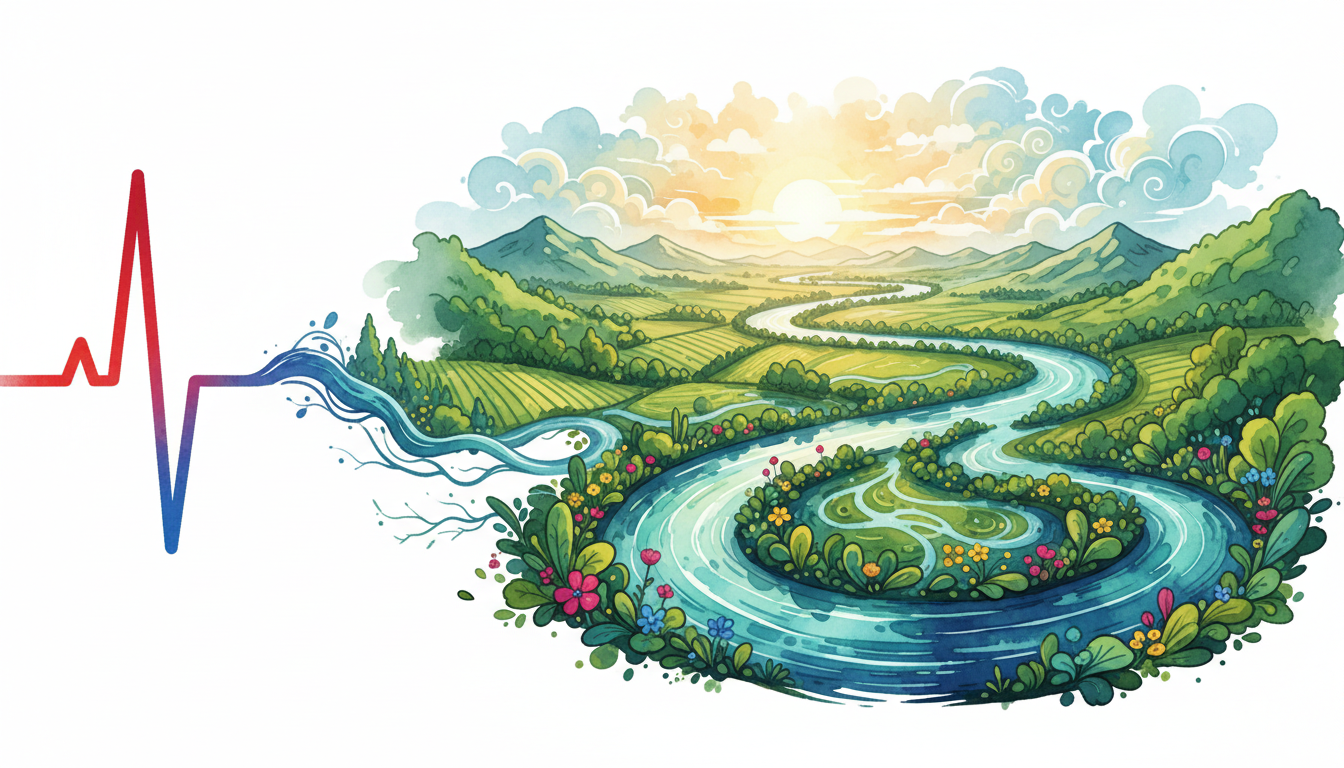
Peptides represent the most significant shift in medical pharmacology since the discovery of penicillin. They are not drugs in the traditional sense of small molecules that flood the entire system. Instead, they are short chains of amino acids that function as precision-guided instruments for cellular repair.
Think of them as the building blocks of life, or biological Legos. Your body uses these same components to build everything from muscle to neural pathways. Therefore, when you introduce a peptide, you are speaking the native language of your own biology.
Small molecules often fail FDA approval because they cause catastrophic side effects across unrelated organs. Peptides are different because they target specific receptors with surgical accuracy. This specificity is the holy grail of modern medicine.
By configuring amino acids in unique sequences, scientists can unlock specific physiological responses. You can trigger fat loss, accelerate wound healing, or stimulate cognitive clarity without disrupting your entire endocrine system. In fact, this is the future of personalized longevity protocols.
The era of one-size-fits-all medication is dying. We are moving toward a world where your biological deficiencies are corrected with the exact molecular key they require. This is not science fiction; it is the current frontier of human optimization.
The Patent War for Your Cellular Code
The current surge in peptide awareness is not an accident of history. It is the result of a tectonic shift in intellectual property law. In 2013, the Supreme Court ruled that naturally occurring substances cannot be patented.
This ruling effectively destroyed the profit incentive for Big Pharma to develop natural peptides. If they cannot own the molecule, they cannot monopolize the market for decades. Therefore, these corporations have largely abandoned some of the most promising compounds in human history.
ここからが大事な
ポイントです
具体例・注意点・明日から使えるヒントを整理しています。
✨無料閲覧で全文 + 図解の完全版を3日間いつでも読み返せる
あなたの好きな動画も、
1〜2分でAI要約
📚 お気に入り保存 + ✨ あなたの動画をAI要約
(無料登録10秒)
✏️ この記事で学べること
- ▸BPC-157 GLP-1
10秒で完了・パスワード作成不要