The Brutal Path to Perfection
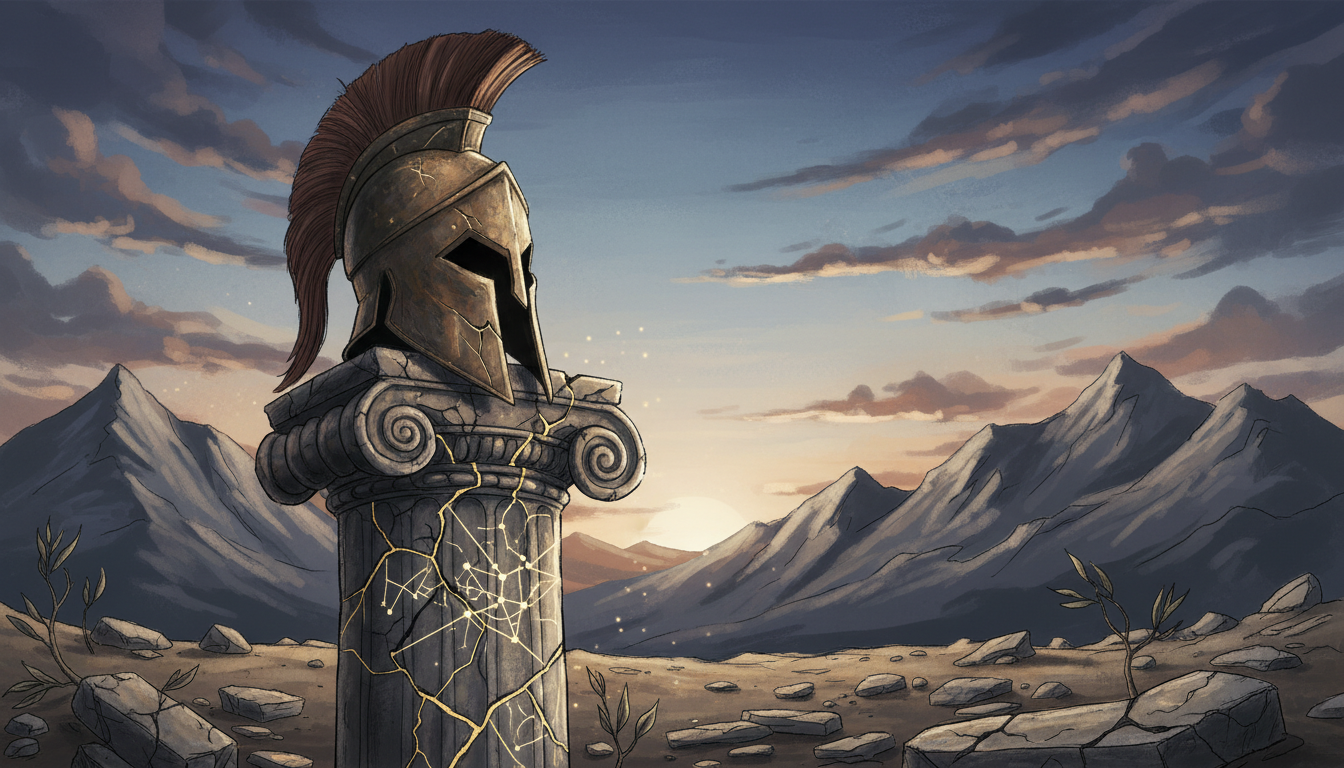
Rodin was never a child prodigy; he was a working-class survivor who faced systematic rejection from the artistic elite. The esteemed School of Fine Arts turned him away three separate times before he could even begin his formal training.
His early work was so hyper-realistic that critics accused him of cheating by casting directly from a live model. This insult became the unintended catalyst for a total revolution in the philosophy of modern sculpture.
Rodin realized that technical perfection was a hollow pursuit in the emerging age of the camera.
Instead of chasing anatomical precision, he pivoted toward rough, expressive surfaces that captured the raw truth of human emotion. This decision positioned him as the godfather of modernism, standing defiantly alongside the Impressionist painters of his era.
- 1Apply to fine arts school
- 2Face total institutional rejection
- 3Rewrite the fundamental rules of art
However, the establishment remained skeptical of his unconventional methods for many years. He traded the polished finish of the past for a visceral, tactile energy that demanded the viewer's attention and refused to let go.
Architecture of Absolute Agony
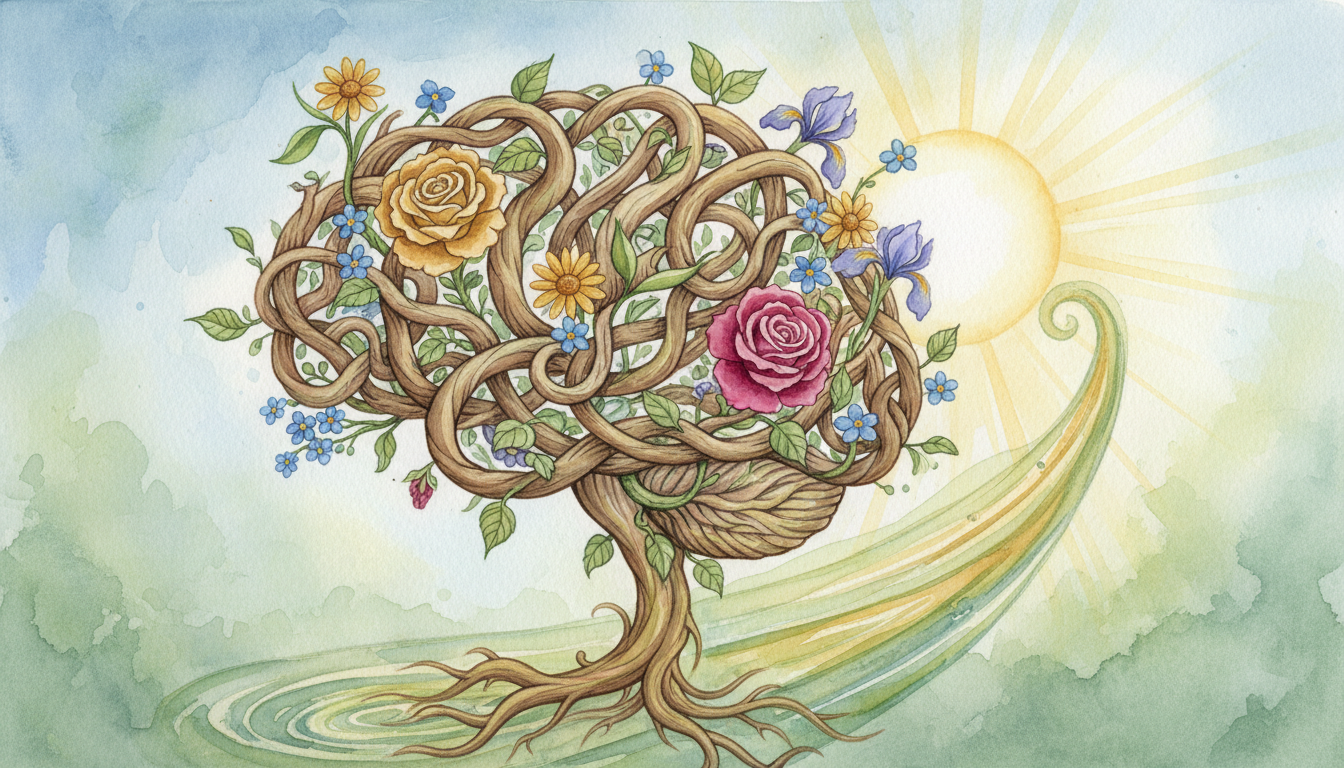
The Thinker was never meant to stand alone as a tranquil philosopher in a quiet garden. He was originally a small figure perched atop a monumental nightmare known as the Gates of Hell.
This project was a sprawling obsession that consumed thirty-seven years of Rodin's life without ever being truly finished. It was a twisting inferno of over two hundred tormented souls locked in a state of eternal, bronze struggle.
ここからが大事な
ポイントです
具体例・注意点・明日から使えるヒントを整理しています。
✨無料閲覧で全文 + 図解の完全版を3日間いつでも読み返せる
あなたの好きな動画も、
1〜2分でAI要約
📚 お気に入り保存 + ✨ あなたの動画をAI要約
(無料登録10秒)
✏️ この記事で学べること
- ▸『』『』
- ▸「」「」
10秒で完了・パスワード作成不要