Redefining Anxiety: From Mental Spirals to Somatic Alarm
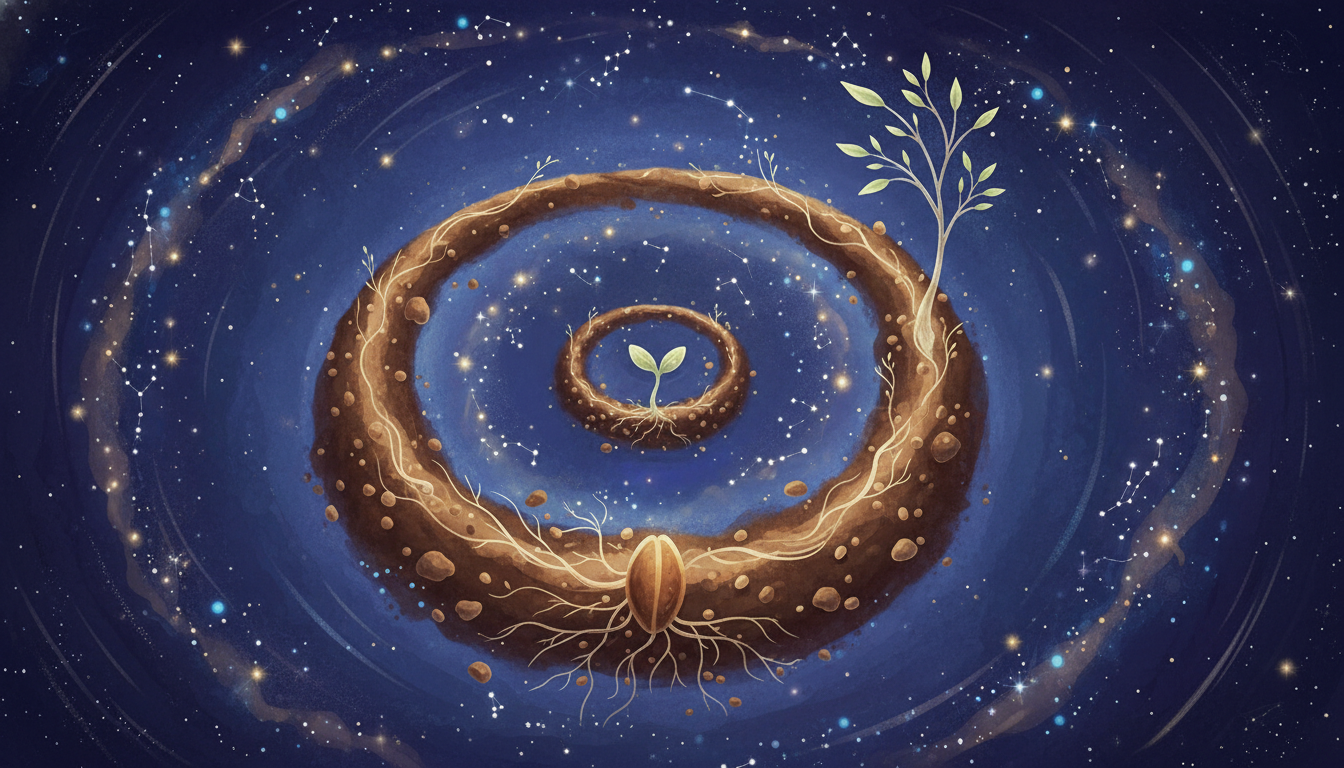
In the traditional medical model, anxiety is often treated as a psychological disorder characterized by runaway thoughts and cognitive distortions. However, Dr. Russell Kennedy, a renowned neuroscientist and medical doctor, argues that this approach is fundamentally flawed. He distinguishes between 'anxiety'—the cognitive story the mind creates—and 'alarm'—the physiological sensation of unease stored in the body. When the body feels a state of alarm, the mind, which Kennedy describes as a 'compulsive meaning-making machine,' attempts to justify that feeling by generating 'what-if' scenarios and worst-case outcomes.
This distinction is critical for anyone who has spent years in talk therapy without seeing lasting results. Traditional therapy often focuses on the thoughts, but if the underlying alarm in the body remains unaddressed, the mind will simply continue to produce new worries. Dr. Kennedy suggests that for those with chronic anxiety, the issue is not that their thoughts are broken, but that their nervous system is responding to a 'stored shadow' of past wounding. By focusing on the body-based feeling rather than the mind-based story, individuals can begin to address the true genesis of their suffering.
| Term | Definition | Primary Location |
|---|---|---|
| Anxiety | Cognitive spirals, 'what-if' thoughts, and mental worrying. | The Mind (Prefrontal Cortex) |
| Alarm | Physical sensations of dread, tightness, or unease. | The Body (Nervous System) |
Most high-functioning individuals use their anxiety as a fuel for success, becoming experts at overthinking and planning 15 steps ahead. While this leads to productivity, it is ultimately a form of hyper-vigilance that is not sustainable. The first step toward freedom is developing the self-awareness to recognize when you are in a state of alarm. This awareness allows you to pause and realize that the current threat is often a physiological ghost rather than a present-day reality.
The Childhood Genesis: Why Your Nervous System Is Stuck in Protection Mode
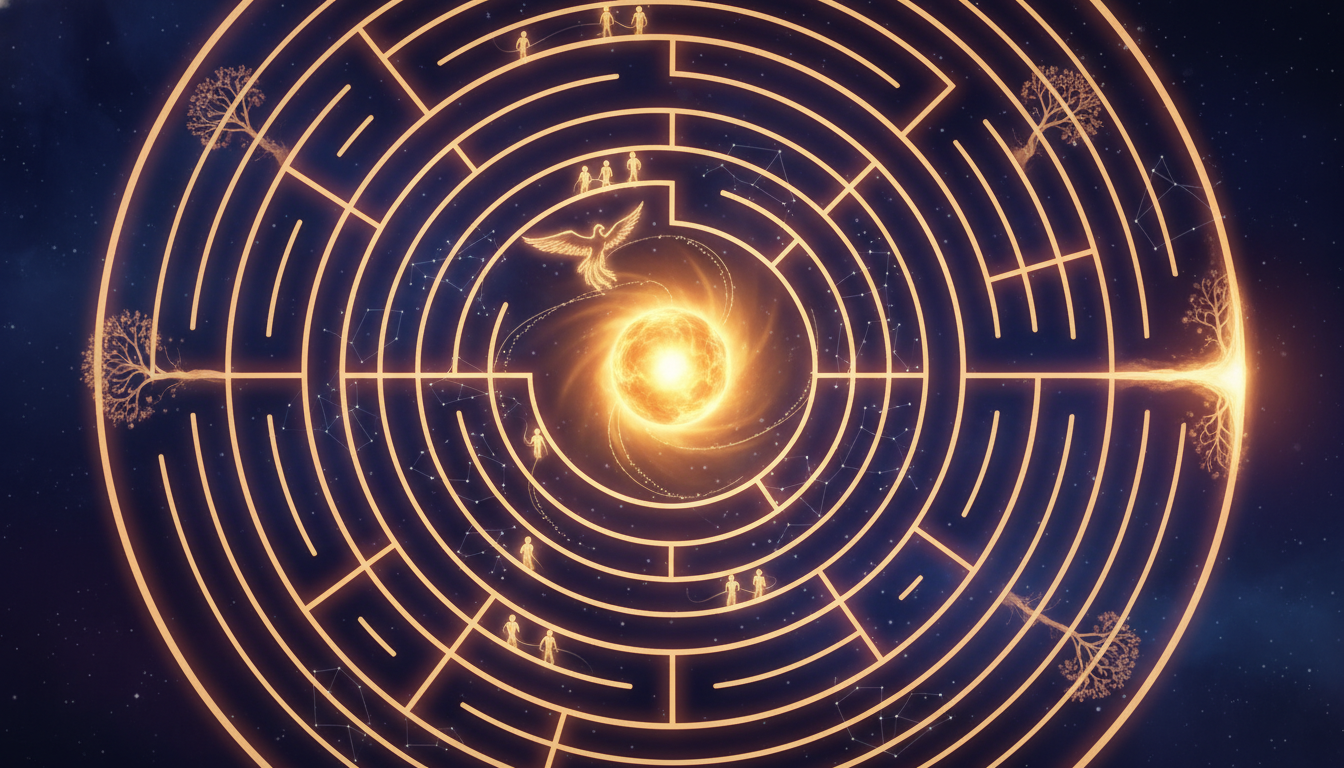
According to Dr. Russell Kennedy, chronic anxiety almost always traces back to childhood wounding. When a child experiences trauma—which he defines as anything that changes the nervous system and prevents it from returning to a state of safety—they often lack the tools to process it. In these moments, the child undergoes a 'split.' Because they cannot stop loving their parents, they stop loving themselves. They begin to judge, abandon, and shame their own feelings, retreating into their minds as a temporary escape from a body that feels unsafe.
This retreat into the mind becomes a trained habit. Over decades, this overthinking 'gym' builds a powerful cognitive capacity, but leaves the emotional body frozen in time. The amygdala, the brain's emotional center, has no sense of time. When a trigger occurs in adulthood—such as the sound of crunching snow or the feeling of waking up in the morning—the amygdala recalls the traumatic memory as if it is happening right now. This is why a 50-year-old successful professional can suddenly feel like a helpless 8-year-old child.
ここからが大事な
ポイントです
具体例・注意点・明日から使えるヒントを整理しています。
✨無料閲覧で全文 + 図解の完全版を3日間いつでも読み返せる
あなたの好きな動画も、
1〜2分でAI要約
📚 お気に入り保存 + ✨ あなたの動画をAI要約
(無料登録10秒)
✏️ この記事で学べること
- ▸「」「」
10秒で完了・パスワード作成不要