The Illusion of Emotional Control
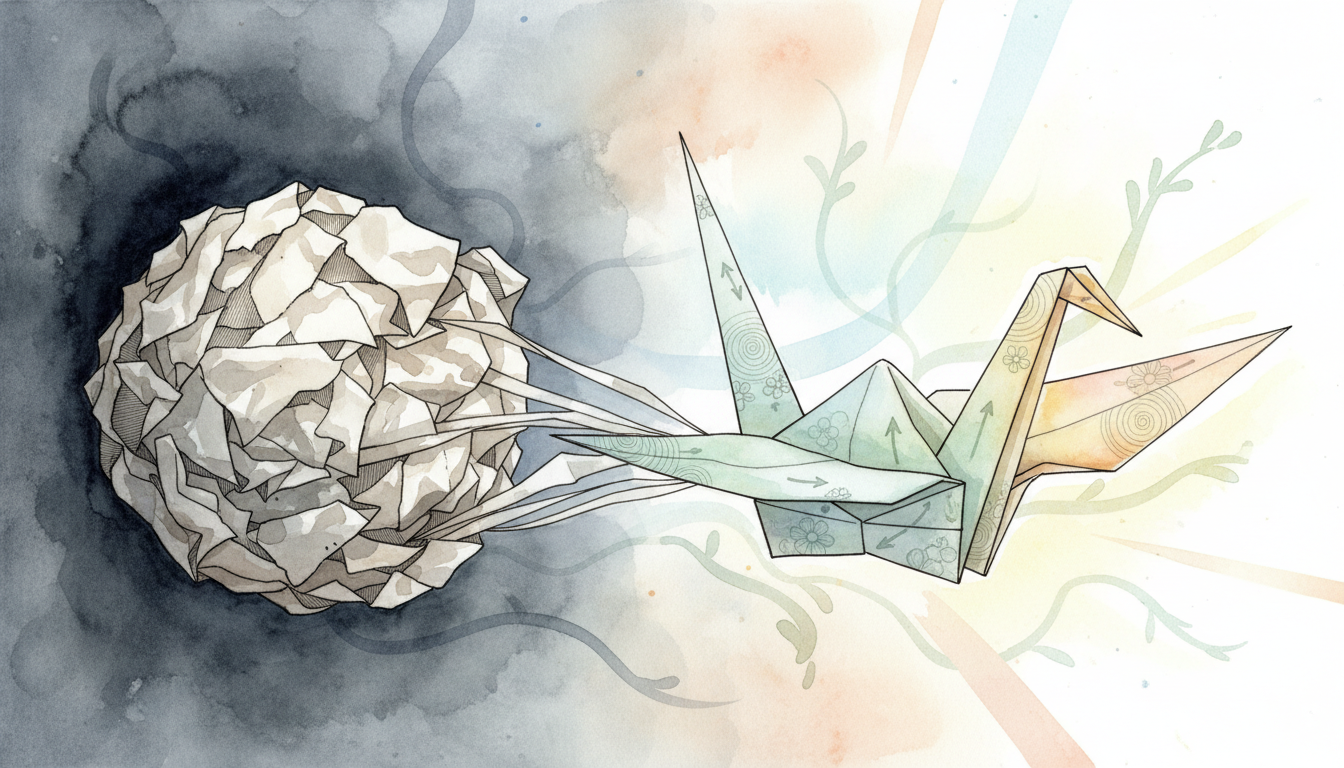
Emotion regulation is not a synonym for suppression. Most people mistakenly believe that managing feelings means deleting them from the hard drive of the mind. In reality, it is about developing a functional relationship with your internal state rather than attempting a forced eviction of discomfort.
"A lot of people think emotion regulation is getting rid of a feeling. It is not what it is. It is just having another relationship to it." — Dr. Marc Brackett
In fact, your emotions should ideally remain in the background like a well-calibrated operating system. They only require active intervention when a significant shift in environment or relationship occurs. If you checked your feelings every minute, you would quickly descend into a state of psychological paralysis.
However, once you are activated—by an insult, a failure, or a shock—you must make a conscious choice. This is where the magic of emotional intelligence happens. You are no longer a victim of your neurobiology but a deliberate architect of your reaction.
The ability to say hello to your anxiety allows it to sit beside you without consuming you
Therefore, the first step to mastery is acknowledging that emotions are context-specific. What works in a private room fails in a boardroom. You must learn to calibrate your expression to the demands of the moment while maintaining internal integrity.
- 1Acknowledge the shift in your internal state.
- 2Identify the specific emotion without judgment.
- 3Choose a strategy that fits the current social context.
The Architecture of the PRIME Framework

Dr. Marc Brackett introduces a mathematical approach to human feeling. The formula is straightforward: ER = G + S. Emotion Regulation is the sum of your Goals and your Strategies, moderated by the specific person and context.
| Regulation Goal | Definition | Typical Outcome |
|---|---|---|
| Prevent | Avoid unwanted triggers | Stability |
| Reduce | Lower intensity of pain | Resilience |
| Initiate | Spark a needed mood | Engagement |
We often forget the power of initiating and maintaining positive states. It is not enough to simply dampen the bad; you must learn to savor and enhance the good. This proactive stance is what separates the emotionally elite from the merely reactive.
ここからが大事な
ポイントです
具体例・注意点・明日から使えるヒントを整理しています。
✨無料閲覧で全文 + 図解の完全版を3日間いつでも読み返せる
あなたの好きな動画も、
1〜2分でAI要約
📚 お気に入り保存 + ✨ あなたの動画をAI要約
(無料登録10秒)
✏️ この記事で学べること
- ▸「」「」
10秒で完了・パスワード作成不要