The Expensive Illusion of Digital Playgrounds

Robotics has long been trapped in a hall of mirrors called simulation. Engineers spend years building digital playgrounds where physics is perfect and every action is clean. But the moment a robot steps into the messy, unpredictable real world, it fails. This is the notorious reality gap that has stalled progress for decades.
Simulations are often just not good enough to substitute for the physical realm. They mimic reality without capturing its visceral complexity. Therefore, a robot trained only in a video game remains a digital ghost. It cannot handle the friction, the lighting, or the random chaos of human environments.
"Simulations often mimic reality, but they are never a true substitute for it."
In fact, the industry has reached a breaking point with synthetic data. We cannot simply program every single physical interaction a robot might encounter. The sheer variety of objects in a modern home would break any manual simulation engine. We need a way to let robots learn from the source itself.
NVIDIA researchers decided to stop playing games and start watching the world. They fed their AI a staggering 44,000 hours of human video data. This is not just a collection of clips; it is a colossal library of human existence.
However, raw video data is notoriously difficult for machines to digest. Humans and robots have entirely different physical bodies, joints, and ranges of motion. A video of a human folding laundry does not include a spreadsheet of joint forces. It is just a soup of pixels that, on the surface, appears completely useless.
This gap between seeing an action and performing it is the ultimate hurdle for AI.
Four Pillars of Robotic Common Sense
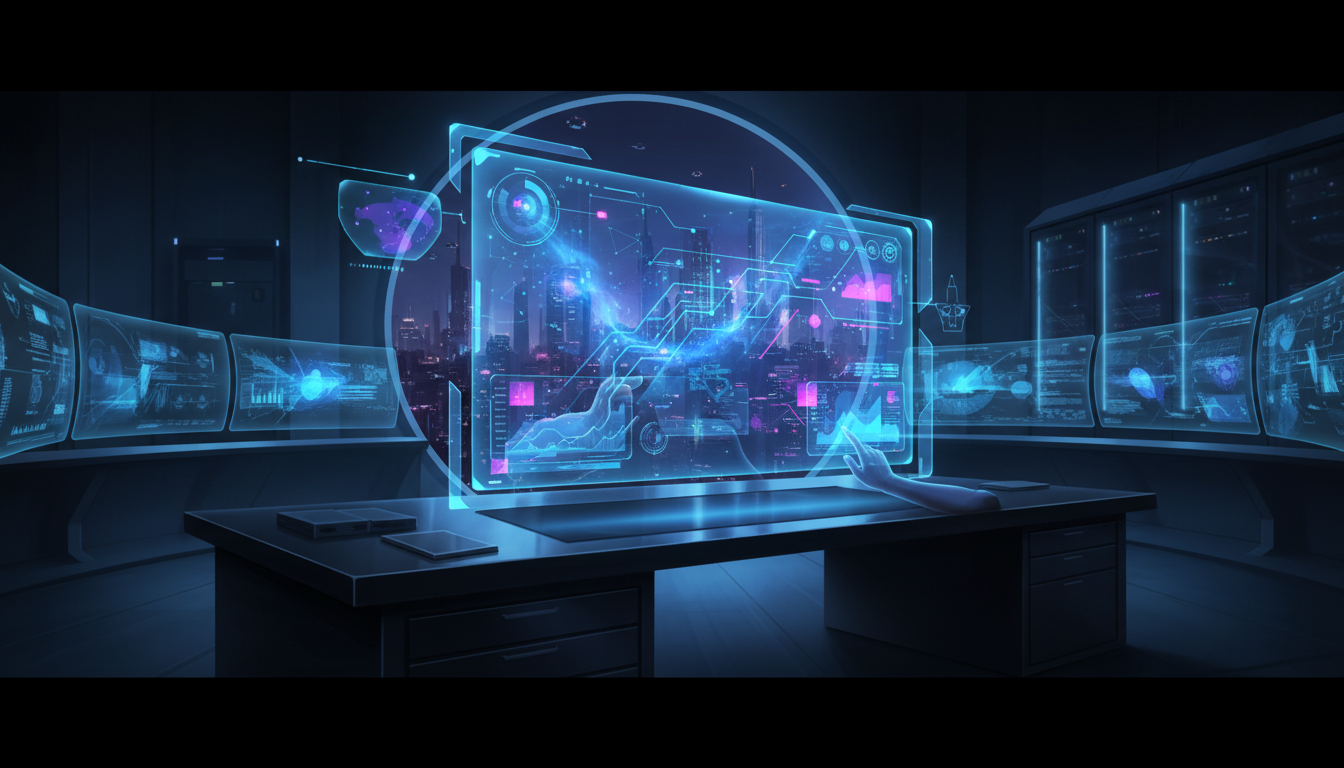
To turn 4 billion frames of video into a robotic brain, NVIDIA developed DreamDojo. They realized that unlabeled data requires a new type of storytelling. If the video does not explain the action, the AI must invent its own narrative to understand the "why" behind the movement.
This starts with information compression to filter out the noise. A robot does not need to track every sparkle of light on a kitchen counter. It only needs to identify the fundamental notes of physics that govern movement. By forcing the AI to compress its data, researchers ensured it only focuses on what is critically important.
ここからが大事な
ポイントです
具体例・注意点・明日から使えるヒントを整理しています。
✨無料閲覧で全文 + 図解の完全版を3日間いつでも読み返せる
あなたの好きな動画も、
1〜2分でAI要約
📚 お気に入り保存 + ✨ あなたの動画をAI要約
(無料登録10秒)
✏️ この記事で学べること
- ▸4
- ▸「4 」
10秒で完了・パスワード作成不要