The Day the Medieval World Shattered
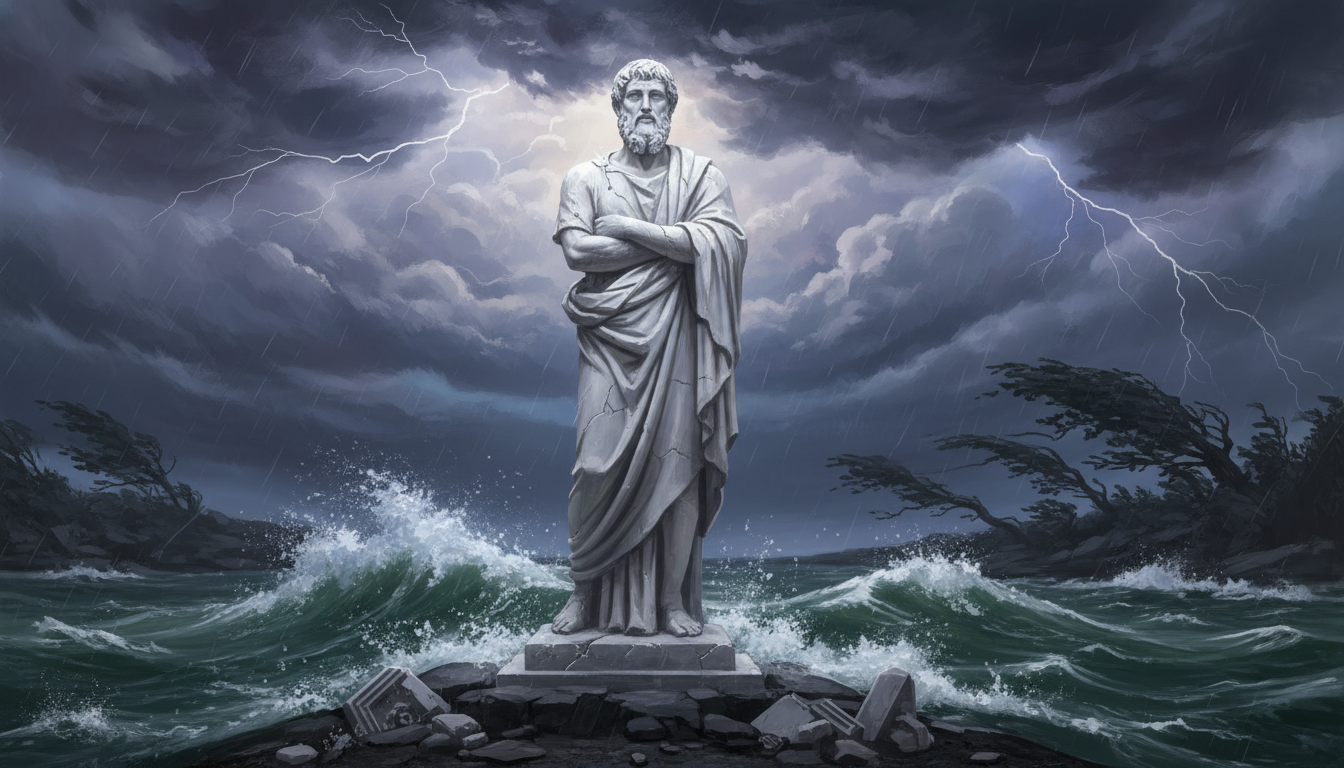
History changed forever on June 8, 793. A group of Norsemen landed on the Holy Island of Lindisfarne and slaughtered the defenseless monastic community. They did not just steal gold; they destroyed the fundamental social contract of Europe. Before this moment, the church was a sacred sanctuary and the sea was a literal wall of safety.
The Vikings proved that no sanctuary was truly safe. They burned buildings and left the dead as "dung in the streets," according to the scholar Alcuin. This was a psychological strike that echoed across the entire continent. It signaled the arrival of a force that did not respect the established rules of civilization.
"Never before has such terror appeared in Britain as we have now suffered from a pagan race. Nor was it thought that such an inroad from the sea could be made." — Alcuin of York
The medieval mindset was rooted in stability and religious order. But these raiders were not just "barbarians" looking for a fight. They were highly sophisticated predators who knew exactly when to strike. They timed their attacks for Christian holy days to maximize both loot and terror.
Therefore, the raid was the end of the world for the monks who witnessed it. They saw the horizon filled with dragon-headed ships and realized their God would not protect them. This single event redefined the ocean from a protective barrier into a highway for invasion. It was the birth of an era defined by total insecurity and constant vigilance.
The Vikings were the first to demonstrate that mobility is the ultimate power. They ignored the borders drawn on maps and created their own reality. This was not a random act of violence, but a calculated shift in the geopolitical landscape.
Engineering Superiority of the Longship

The secret to Viking dominance was not just brute strength. It was advanced maritime technology that outperformed anything the Western world had seen. Their longships were clinker-built masterpieces made of overlapping oak planks. This design allowed the vessels to be both flexible in rough seas and incredibly light.
In fact, these ships could cross the Atlantic Ocean while maintaining a draft of less than two feet. This meant they could navigate deep oceans and then sail directly up shallow river systems. They could appear in the heart of a kingdom before an army could even be mobilized.
ここからが大事な
ポイントです
具体例・注意点・明日から使えるヒントを整理しています。
✨無料閲覧で全文 + 図解の完全版を3日間いつでも読み返せる
あなたの好きな動画も、
1〜2分でAI要約
📚 お気に入り保存 + ✨ あなたの動画をAI要約
(無料登録10秒)
✏️ この記事で学べること
- ▸8 、 。 、 、 、 。
10秒で完了・パスワード作成不要