Rethinking Memory: The Concept of a Digital Second Brain

In an era defined by information overload and the rapid advancement of technology, the traditional reliance on biological memory is increasingly becoming a bottleneck for productivity. Many people struggle with the frustration of forgetting insightful quotes, professional lessons, or even simple daily tasks. The concept of building a second brain, popularized by Tiago Forte, suggests a paradigm shift: instead of struggling to remember everything, we should delegate the task of data retention to digital systems. These machines have perfect memory and are always accessible, allowing the human brain to focus on what it does best—processing, connecting, and creating.
Building a second brain is not merely about accumulating digital files; it is about creating a lifelong treasury of knowledge. While most people take notes for short-term needs like a specific class or a single meeting, a professional second brain is designed for long-term retrieval and future strategic use. By treating every note as a potential asset for future projects, you move away from passive consumption toward intentional knowledge management. This shift requires a systematic approach to how we capture and categorize information across various digital platforms.
When a note-taking system is functioning correctly, it acts as a force multiplier for your productivity. It allows you to connect the dots between seemingly unrelated topics and ensures that your best ideas are never lost. However, many users find themselves in a 'digital black hole' where notes are created but never seen again. This usually happens because the organizational structure is too rigid or too generic, failing to reflect the dynamic nature of a modern professional's life and responsibilities.
Digital knowledge management requires more than just an app; it requires a philosophy of organization that prioritizes action. Most productivity failures stem from systems that are too complex to maintain. The goal is to create a frictionless environment where capturing information is as easy as thinking it. Whether you use Apple Notes, Notion, or any other tool, the effectiveness of the system depends on the logic behind its structure rather than the features of the software itself.
| Feature | Biological Memory | Digital Second Brain |
|---|---|---|
| Reliability | Prone to forgetting and distortion | Perfect retention and accuracy |
| Searchability | Limited to cognitive recall | Instant keyword and tag search |
| Capacity | Limited by mental fatigue | Virtually infinite storage |
| Function | Synthesizing and creating | Storing and organizing |
Mastering the PARA Method for Actionable Organization
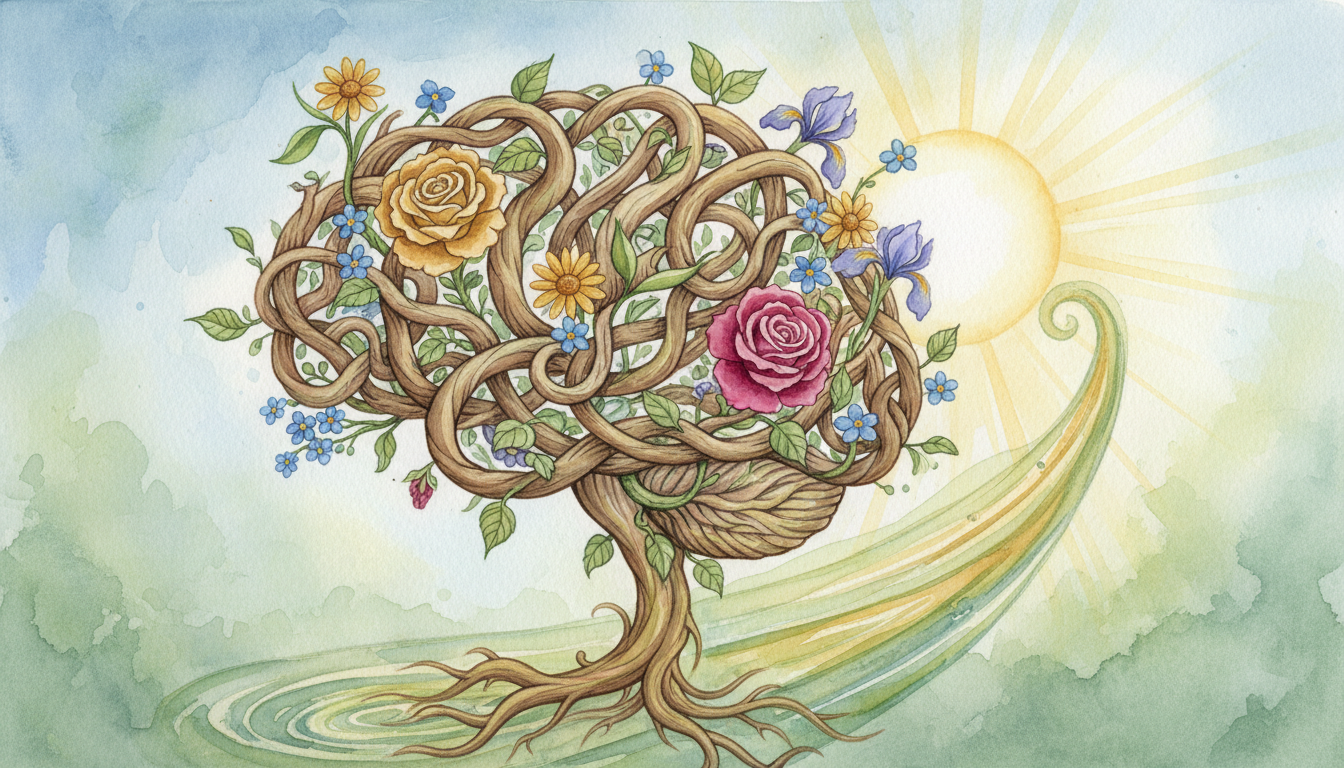
The most significant challenge in building a second brain is the folder structure. Many users default to generic categories like 'Personal' or 'Business,' which eventually become dumping grounds for thousands of unorganized notes. To solve this, Tiago Forte introduced the PARA method, which stands for Projects, Areas, Resources, and Archives. This system is designed to organize information based on its level of actionability rather than its topic, ensuring that the most relevant information is always at your fingertips when you need to perform a task.
Projects represent the most active layer of the system. These are short-term efforts with a specific goal and a deadline, such as a home renovation, a specific YouTube video, or a business proposal. Because these notes are tied to active work, they should be the easiest to access. By focusing on projects first, you ensure that your organizational system is serving your current output. This prevents the common trap of 'organizing for organization's sake' and keeps you focused on results.
ここからが大事な
ポイントです
具体例・注意点・明日から使えるヒントを整理しています。
✨無料閲覧で全文 + 図解の完全版を3日間いつでも読み返せる
あなたの好きな動画も、
1〜2分でAI要約
📚 お気に入り保存 + ✨ あなたの動画をAI要約
(無料登録10秒)
✏️ この記事で学べること
- ▸「」
- ▸PARA 4
10秒で完了・パスワード作成不要