The Paradox of Strength Without Size

For decades, the prevailing wisdom in exercise physiology suggested that the strength of a muscle is strictly proportional to its cross-sectional area. In this paradigm, if you wanted to become stronger, you simply had to become bigger. Dr. Keith Baar, a Professor at UC Davis, was at the forefront of this research, having helped discover the mTor complex one (mechanistic target of rapamycin), which is the primary molecular switch for muscle hypertrophy. However, observations of elite athletes, particularly in sports like cycling and rock climbing, began to challenge this purely size-based model. These athletes often displayed immense power without the corresponding increase in muscle mass, and in some cases, they actually became smaller while increasing their force output.
This discrepancy led to the realization that strength is not merely a function of the motor (the muscle) but also the chassis and the transmission (the connective tissues). When we lift heavy weights, we certainly stimulate muscle growth, but we are also placing immense strain on the tendons and the small pulleys within the fingers. In sports like rock climbing, the failure point is rarely the muscle itself but rather the connective tissue that fails to transmit the force generated by the muscle to the bone. This shifted the focus of research from pure hypertrophy to the health and mechanical properties of tendons and ligaments.
| Attribute | Muscle Hypertrophy | Force Transfer Optimization |
|---|---|---|
| Primary Driver | mTor Signaling | Connective Tissue Loading |
| Visual Result | Increased Size | No Change or Minimal Size Change |
| Performance Goal | Raw Power Generation | Efficient Force Transmission |
| Limitation | Energy Cost of Mass | Mechanical Integrity of Tendons |
The Discovery of Force Transfer Proteins
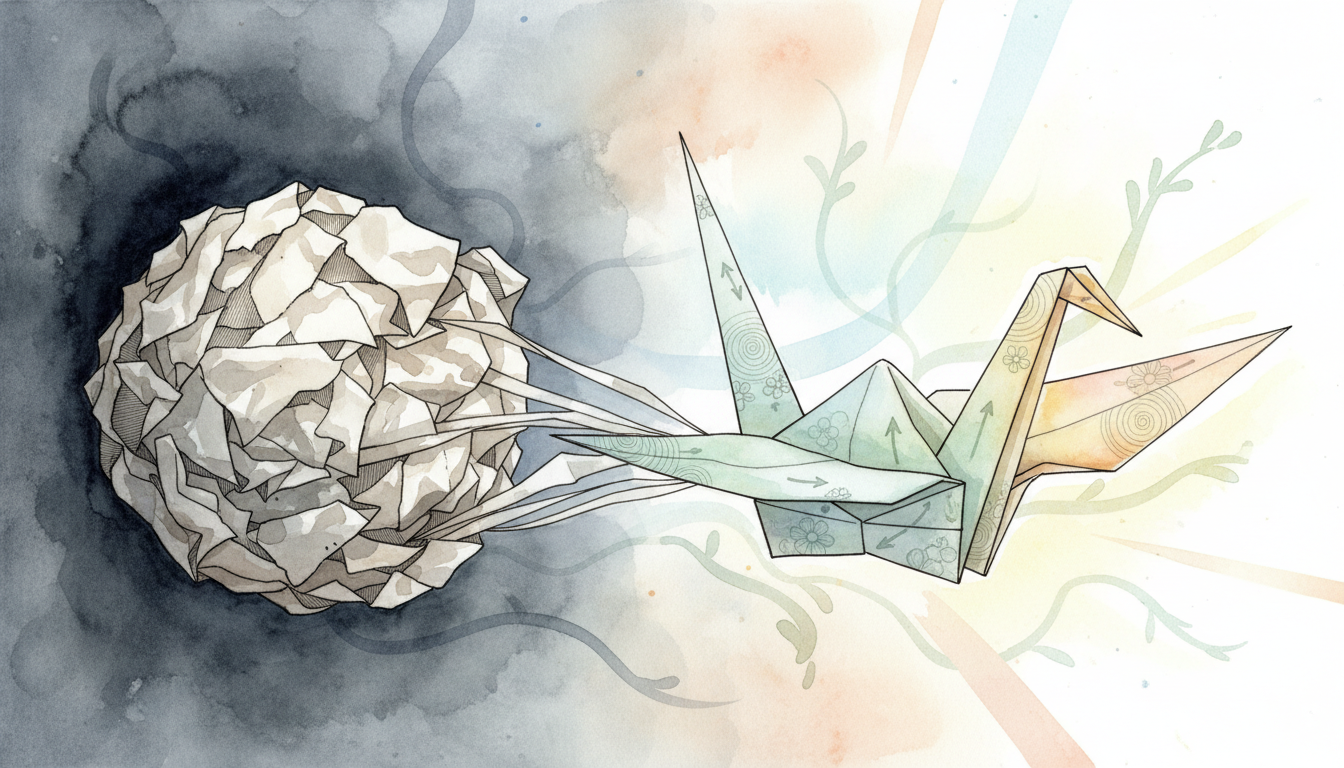
The secret to elite performance lies in what Dr. Keith Baar calls force transfer proteins. These are the proteins responsible for moving the mechanical energy produced by muscle fibers through the connective tissue and onto the bone where movement occurs. When elite cyclists were getting stronger without getting bigger, they were essentially optimizing their transmission. They were making their tendons stiffer and more efficient at catching and moving the load. This discovery changed how we view injury prevention and performance enhancement, especially for the high-intensity loads seen in bouldering or powerlifting.
To study this, Baar and his team engineered ligaments in a laboratory setting. By isolating human cells and creating functional ligaments in a dish, they could observe exactly how these tissues respond to exercise. They found that while muscle requires significant volume and intensity to grow, connective tissues respond to very specific types of mechanical strain. This led to a breakthrough in understanding why some people train for hours with no results, while others make massive gains with what looks like very little effort. The key is not the total amount of work, but the quality and timing of the stimulus.
ここからが大事な
ポイントです
具体例・注意点・明日から使えるヒントを整理しています。
✨無料閲覧で全文 + 図解の完全版を3日間いつでも読み返せる
あなたの好きな動画も、
1〜2分でAI要約
📚 お気に入り保存 + ✨ あなたの動画をAI要約
(無料登録10秒)
✏️ この記事で学べること
- ▸、 。 、 、 。
10秒で完了・パスワード作成不要