The Unprecedented Velocity of the AI Revolution: A New Era of Change

The history of technological adoption has always been a story of accelerating curves. While it took electricity 46 years to reach 25% of American homes and the internet seven years to achieve the same feat, ChatGPT accomplished this level of penetration in just five days. We are witnessing a once-in-history phenomenon where AI adoption is not merely growing but compounding at a staggering rate. OpenAI currently sees its usage doubling approximately every six months, a scale of growth that is practically unprecedented for any organization in history. For modern professionals, this is not a minor adjustment; it is a turning point comparable to the meteor that ended the era of the dinosaurs. Entire divisions within Fortune 500 companies are already being restructured, replacing thousands of human roles with high-efficiency AI agents.
This shift is not theoretical; the numbers are already reflecting a massive labor market contraction. Manufacturing has seen tens of thousands of job losses this year, while sectors like pharma, finance, and big oil are planning massive workforce cuts as they pivot toward automation. When Goldman Sachs projects that 300 million jobs worldwide will vanish by 2030, we are looking at a displacement larger than the entire US population. This crisis for the unprepared is simultaneously a massive opportunity for those who can position themselves correctly in the new hierarchy of labor and value.
- Electricity: 46 years to 25% adoption
- Internet: 7 years to 25% adoption
- ChatGPT: 5 days to mass adoption
- OpenAI usage: Doubling every 6 months
| Industry | Recent Job Cuts | Strategic Shift |
|---|---|---|
| Manufacturing | 78,000+ | Full Robotic Automation |
| Finance | 18,000+ | AI Algorithmic Processing |
| Big Oil | 25% of workforce | Efficiency Optimization |
The 'AI Test': Identifying the Patterns of Job Displacement
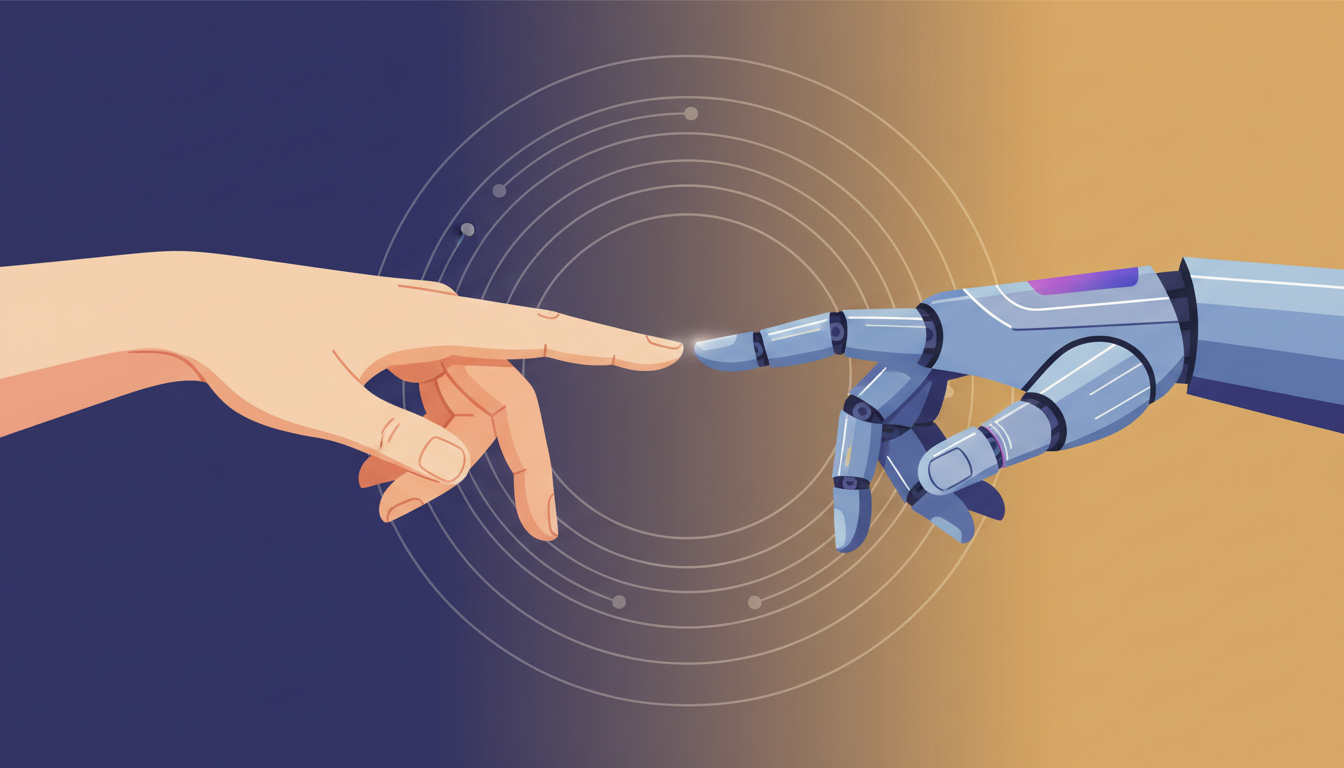
To navigate this landscape, one must understand the underlying logic of what makes a job safe or doomed. It doesn't matter how hard you worked for your degree or how many years you've spent in the field; your career's survival depends on a single question: Can AI or a robot do your job faster, cheaper, and better? This is the brutal truth of the modern economy. We are seeing tools like Harvey AI being used by the world's largest legal firms for contract review, and Salesforce Einstein GPT eliminating layers of middle management by automating project dashboards. The barrier to replacement is no longer cognitive complexity, but the presence of predictable patterns.
If your job is based on pattern recognition, you are sitting on the tracks while the AI train approaches.
ここからが大事な
ポイントです
具体例・注意点・明日から使えるヒントを整理しています。
✨無料閲覧で全文 + 図解の完全版を3日間いつでも読み返せる
あなたの好きな動画も、
1〜2分でAI要約
📚 お気に入り保存 + ✨ あなたの動画をAI要約
(無料登録10秒)
✏️ この記事で学べること
- ▸AI
10秒で完了・パスワード作成不要