The Neurochemical Stamp of Memory
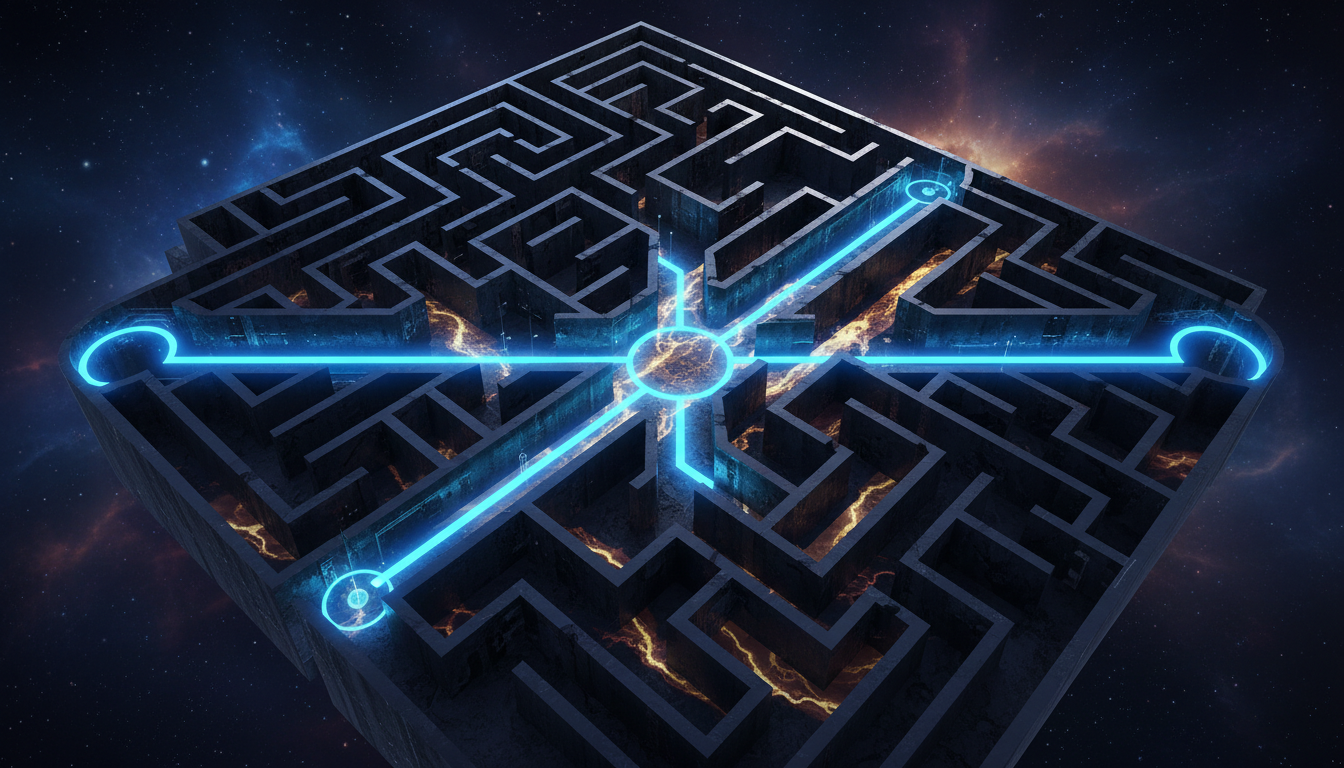
Memory is not a passive recording of your life. It is a neural bias where specific patterns of electricity replay in your brain. Most of what you perceive is discarded instantly to prevent sensory overload. Your nervous system filters the world, keeping only what it deems essential.
In fact, the process of "stamping" a memory into your long-term storage depends on a specific neurochemical cocktail. You do not need a thousand repetitions to learn. You need the right biological signal at the exact right moment.
James McGaugh and Larry Cahill proved that adrenaline is the primary catalyst for memory retention. When your brain experiences an adrenaline spike, it signals the hippocampus that the preceding event was critically important. This is why you never forget a car accident or a winning lottery ticket.
- Epinephrine(adrenaline) acts as a high-speed highlighter for the brain.
- High emotional states trigger immediate neural strengthening.
- Blocking these chemicals prevents even the most intense experiences from being remembered.
The presence of high adrenaline allows a memory to be stamped down instantly. This mechanism removes the traditional requirement for tedious repetition. Therefore, the secret to learning faster is not working harder, but managing your stress hormones with precision.
Timing Your Neurochemical Cocktail
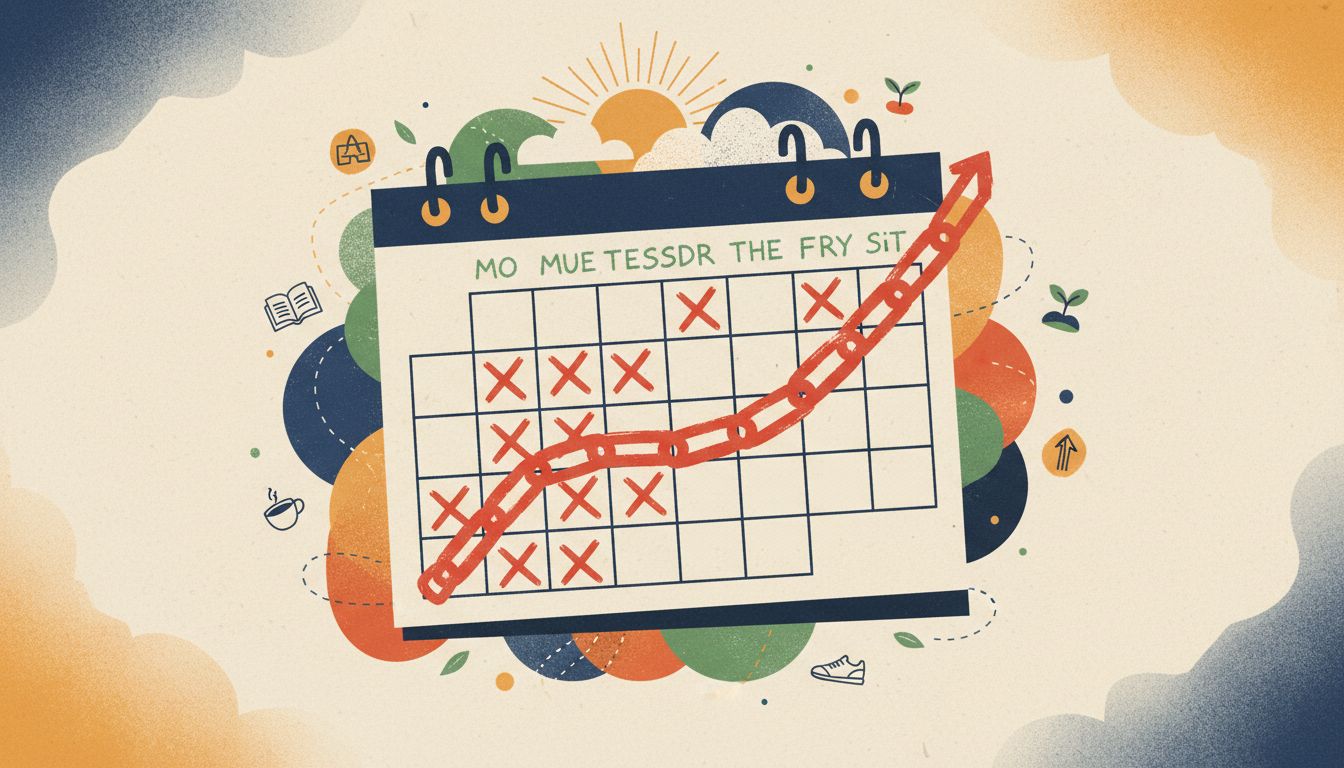
Most people consume caffeine at the wrong time. You likely drink coffee before you sit down to study or work. While this increases focus, it does not optimize the consolidation of information.
Recent data suggests a radical shift in protocol. You should trigger an adrenaline spike immediately after your learning bout. This means taking your caffeine, alpha-GPC, or cold shower late in the session or right after you finish.
ここからが大事な
ポイントです
具体例・注意点・明日から使えるヒントを整理しています。
✨無料閲覧で全文 + 図解の完全版を3日間いつでも読み返せる
あなたの好きな動画も、
1〜2分でAI要約
📚 お気に入り保存 + ✨ あなたの動画をAI要約
(無料登録10秒)
✏️ この記事で学べること
- ▸、 。 、 、 。 、 。
10秒で完了・パスワード作成不要