The Digital Health Crisis: Deconstructing Viral Diagnostic Myths
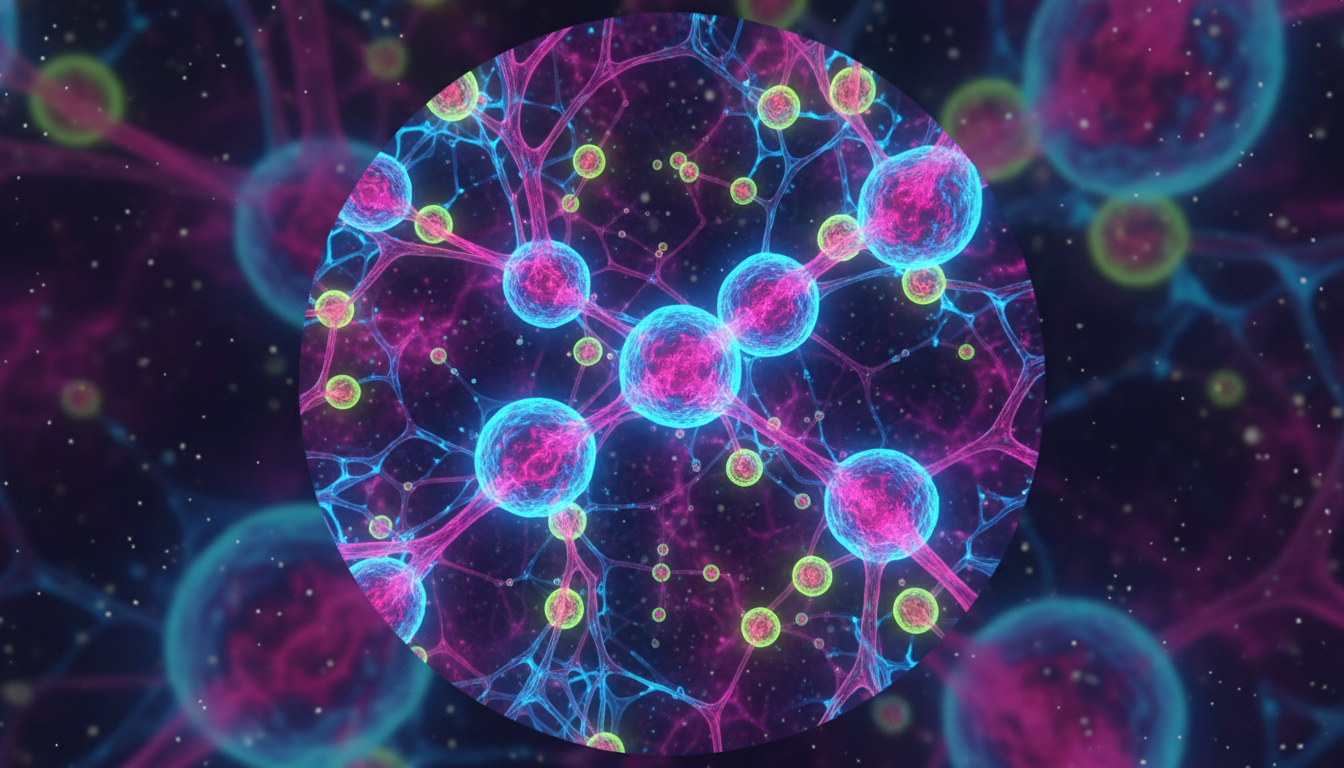
The modern landscape of social media is saturated with short-form content claiming to offer 'instant' medical diagnoses. One of the most prevalent and dangerous trends involves simplified motor tests—such as overlapping fingers to check for strokes or Alzheimer’s disease. As Doctor Mike points out, these claims are fundamentally flawed because they group disparate neurological conditions together without any physiological basis. A simple finger movement cannot serve as a proxy for complex cortical function or vascular health.
Neurological health requires a comprehensive clinical evaluation, not a seven-second video clip. When users rely on these 'hacks,' they risk two dangerous outcomes: unnecessary anxiety or, conversely, a false sense of security that prevents them from seeking professional care for actual symptoms. The democratization of information should never be confused with the democratization of expertise. The brain is an incredibly complex organ, and its pathologies cannot be reduced to viral challenges.
| Feature | Social Media 'Tests' | Clinical Diagnosis |
|---|---|---|
| Validation | None (Anecdotal) | Peer-reviewed research |
| Scope | Oversimplified | Comprehensive/Holistic |
| Reliability | High risk of false results | Scientifically calibrated |
- 1Ignore claims that associate simple hand movements with complex brain diseases.
- 2Consult a physician if you experience genuine symptoms like numbness or confusion.
- 3Verify the credentials of any creator offering 'medical' shortcuts.
Physical Trauma and the Danger of 'Conditioning' Trends
Another alarming trend involves individuals intentionally subjecting their bodies to trauma under the guise of 'conditioning.' For example, the practice of kicking trees to create 'shins of steel' is medically reckless. This behavior causes repeated micro-trauma to the skin and bone, significantly increasing the risk of septic arthritis and chronic infection. Breaking the skin barrier in a non-sterile environment introduces harmful bacteria directly into the tissue, which can lead to severe systemic issues.
Furthermore, high-impact activities captured for entertainment, such as dangerous trampoline stunts or 'human pyramids' at rodeos, often result in concussions and whiplash. Doctor Mike emphasizes the danger of contrecoup injuries, where the brain impacts the interior of the skull following a sudden deceleration. These injuries are cumulative and can lead to long-term cognitive impairment. Protection, such as wearing helmets, is not just a suggestion but a necessity for brain preservation.
ここからが大事な
ポイントです
具体例・注意点・明日から使えるヒントを整理しています。
✨無料閲覧で全文 + 図解の完全版を3日間いつでも読み返せる
あなたの好きな動画も、
1〜2分でAI要約
📚 お気に入り保存 + ✨ あなたの動画をAI要約
(無料登録10秒)
✏️ この記事で学べること
- ▸「」
10秒で完了・パスワード作成不要