When we experience the devastating loss of a partner, well-meaning friends often suggest we find comfort in the fact that we 'tasted love once.' For those in the depths of grief, this sentiment frequently feels like an empty consolation. The agony we feel is not because the love didn't happen, but because it is no longer physically present. This distress reveals a deep-seated modern prejudice: the belief that past events are useless and that only the present can provide genuine satisfaction. We can observe this bias in how we approach travel. Digital advertisements constantly urge us to visit new locations or return to cities we saw years ago, such as Paris or Greece. The commercial economy thrives by downgrading memory and privileging new consumption. However, this does our minds a great disservice. Our memories are actually sophisticated tools for capturing pleasant events in high resolution, preserving details we often overlook in our rush for the next experience. If we take the time to sit in a quiet place and systematically evoke a past trip, we find that every element remains intact. From the view of the Parthenon to the taste of a souvlaki at a specific stand, the details are waiting to be rediscovered. One memory naturally triggers another, revealing the layout of a hotel corridor or the specific atmosphere of a local market. Everything is preserved if we have the energy and confidence to return to it mentally. Interestingly, memories often possess a distinct advantage over their original experiences. Physical reality is frequently marred by 'free-floating anxiety,' physical discomforts like a stomach ache, or the distraction of urgent emails. In contrast, memory is a refined version of events. It allows us to appreciate a temple or a meal without the background noise of life's daily pressures. It is a pure, concentrated form of the joy we once experienced. This principle applies profoundly to the realm of love. While we may currently be alone, the entire history of a relationship remains an internal asset that cannot be stolen. Every detail, from the color of a restaurant wall to the wording of a first text message, is stored in our mental archives. If we were to write out the history of a beautiful year in longhand, it would fill an entire volume, proving the depth of what we still possess. We often fail to return to these memories because doing so lacks social prestige. In a culture obsessed with the 'new,' spending ten minutes reliving a meal from years ago can seem strange or even unholy. Yet, we must recognize that we crave new happiness largely because we have forgotten how to remember our past happiness deeply and expansively. Our minds have a magical capacity to return us to our youth or a perfect summer. To heal from heartbreak, we must re-learn the art of sensory retrieval. Whether it is a Sachertorte in Vienna or a specific salad in Puglia, these moments are not lost; they are merely archived. By engaging with these memories systematically, we reclaim what time has stolen from us. The more we learn to inhabit the richness of our past, the less the emptiness of the present has the power to hurt us. Ultimately, the goal is to transform our relationship with time. Instead of viewing the past as a graveyard of lost things, we should see it as a vibrant library of lived experiences. This shift in perspective provides a profound source of solace that no new distraction can match. By valuing what we have already lived, we build an internal fortress of happiness that remains accessible regardless of our external circumstances.
Mastering the Art of Memory: A Sophisticated Guide to Finding Solace in Heartbreak and Loss
結論The human mind preserves past experiences in high-definition detail, offering a distraction-free source of joy that can mitigate the pain of current loss through systematic, sensory recollection.

The School of Life/You won't expect this.../📅 2026年4月8日 公開
信じられますか?このクオリティの記事と図解を manabi は たった1分 で自動生成しました
この動画の重要ポイント
- 1Modern society harbors an unhelpful prejudice against memory, falsely believing that only present experiences hold the power to provide happiness.
- 2Memory functions as an exquisite, high-definition machine capable of preserving the sensory details of past joy with absolute precision.
- 3Systematic recollection offers a distraction-free and cost-effective sanctuary, allowing us to re-experience love and travel without the anxieties of real-time events.
こんな人におすすめ
- Individuals navigating the pain of recent heartbreak or bereavement.
- People seeking a deeper psychological understanding of memory and joy.
- Those feeling pressured by the constant societal demand for new experiences.
manabi 編集部の視点
The perspective offered here by The School of Life suggests a powerful psychological tool for emotional resilience. However, it is important to distinguish between 'conscious retrieval' and 'maladaptive rumination.' While the video advocates for a structured, appreciative return to the past, readers should be cautious not to use memory as a way to avoid necessary growth or to stay trapped in a state of longing. This technique is best used as a supplement to, not a replacement for, building a meaningful present life. The 'longhand writing' exercise is a particularly effective evidence-based met
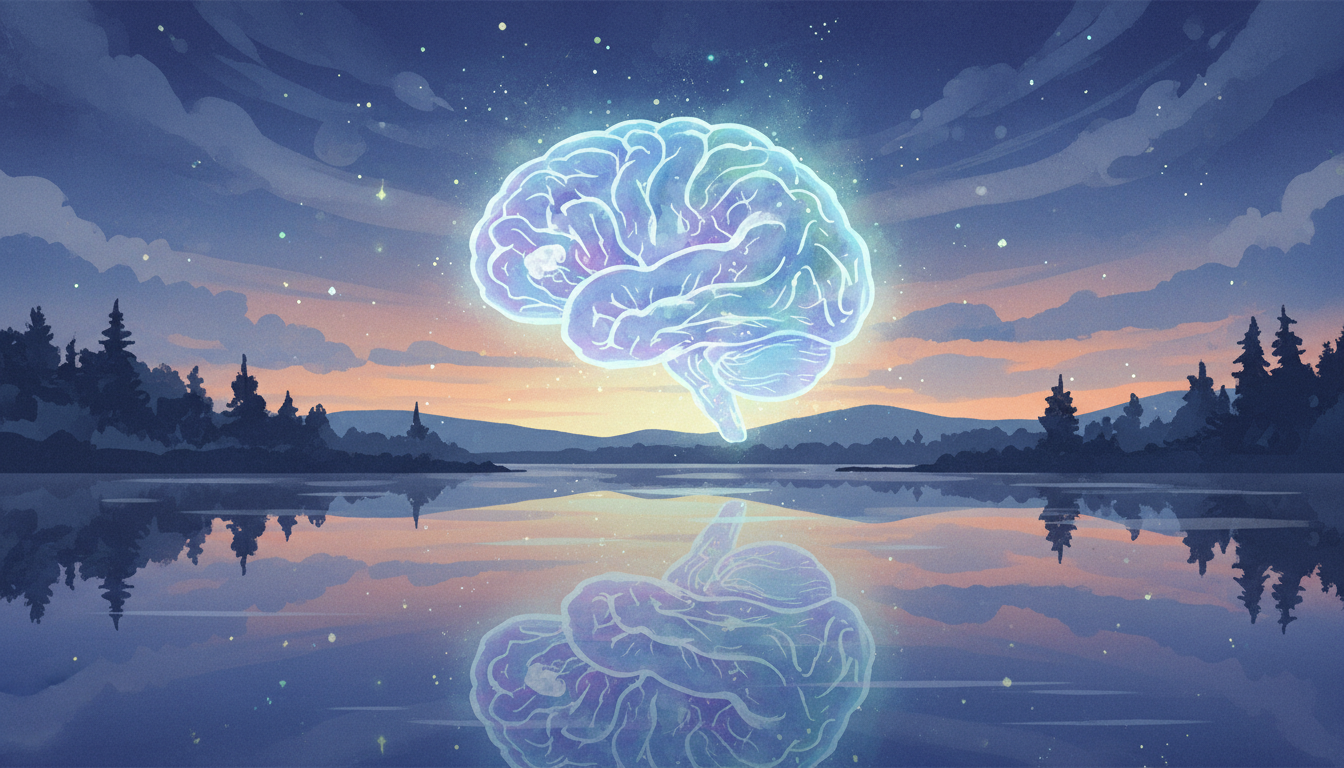
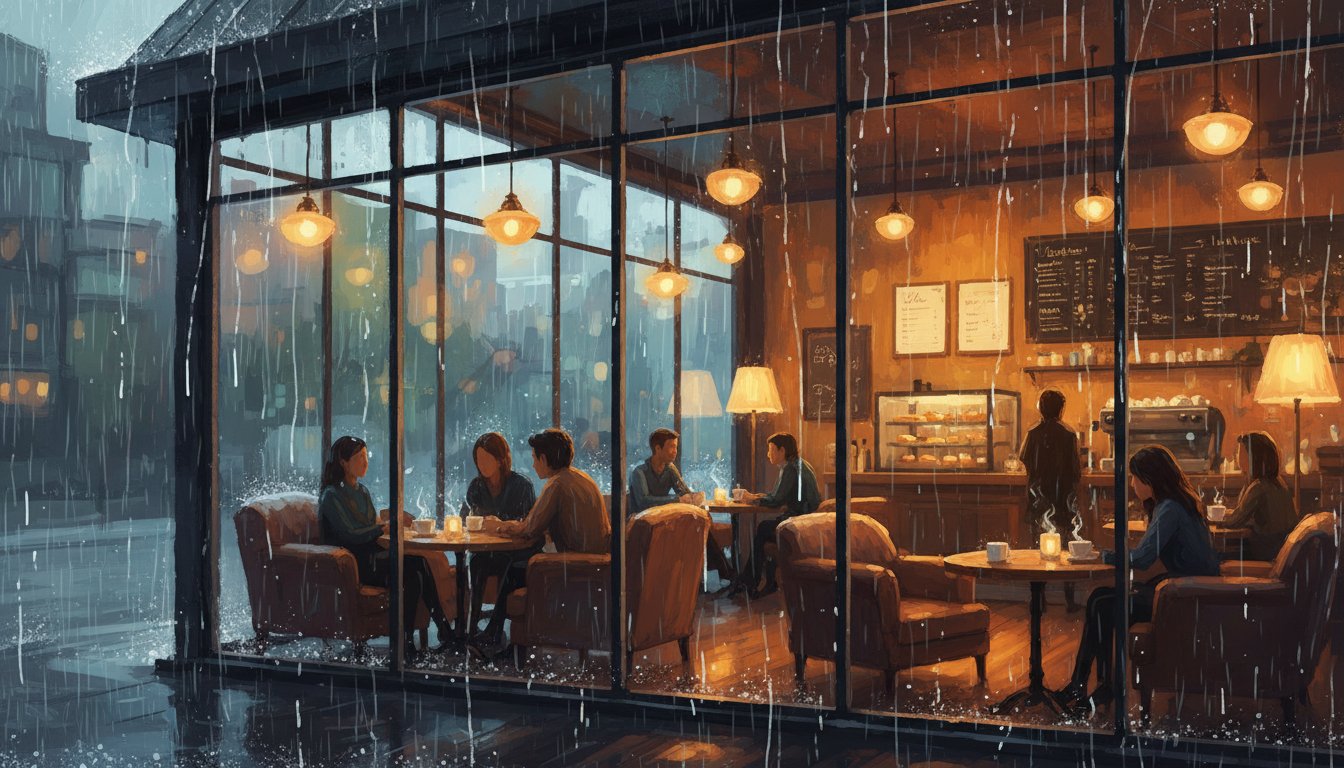
AIが生成したビジュアル
タップして拡大

あなたが見たい動画も
1分で要約・図解化しませんか?
無料登録で累計3回まで
主要トピック
The Prejudice of the Present
- We are conditioned to believe only current events matter.
- The economy thrives on 'newness,' neglecting the value of memory.
- Happiness from the past is often dismissed as a 'consolation prize.'
- Step 1: Reframe memory as a living asset rather than a graveyard.
The High-Resolution Mind
- Your brain is an 'exquisite machine' for storing sensory details.
- One specific memory (a menu) can trigger a cascade of related data.
- Step 2: Practice 're-visiting' locations like Puglia or Paris through deep meditation.
- Recognize that these details are preserved and waiting for you.
Memory vs. Reality
- Real-time experiences are often ruined by physical discomfort or anxiety.
- Memory provides a 'distraction-free' version of our best moments.
- Step 3: Use the 'longhand writing' method to document the first year of a lost love.
- Realize that the story you lived can never be taken away from you.
Summary & Action Plan
- Stop seeking 'new' happiness as a cure for the loss of the 'old.'
- Invest time in the internal library of your own life.
- Action: Spend 10 minutes daily in systematic, sensory recollection.
- The more you remember, the less the present can hurt you.
次はあなたが魔法を使う番です
あなたが作った要約が、
同じように悩む誰かの灯火になります。
無料登録で累計3回まで
よくある質問
Q1.Why does memory feel like a 'mediocre consolation prize' compared to the present?
This is due to a modern prejudice that only the present is real. We are taught to ignore the utility of the past, making us feel that once an event ends, its value evaporates completely.
Q2.Can I really remember details as clearly as the video suggests?
Yes, but it requires effort. By sitting quietly and focusing on a single starting point—like a menu or a specific tree—one memory naturally triggers another, revealing the 'encyclopedic' detail stored in your mind.
Q3.Is it healthy to spend a lot of time in the past?
The video argues it is legitimate and intense joy. Unlike distraction-filled reality, memory allows for a pure experience. As long as it provides solace rather than torture, it is a valuable mental resource.
Q4.What is the 'longhand writing' method mentioned?
It involves writing out the history of a relationship or experience in detail. This process proves that the joy still 'belongs' to you and helps you realize the vastness of what you haven't actually lost.
Q5.How does memory help with current grief?
Grief often stems from a feeling of emptiness. By populating your mind with the richness of what you have already lived, you reduce the power of the present's absence to cause you pain.