The Core Pillar: Distinguishing the Essential from the Noise
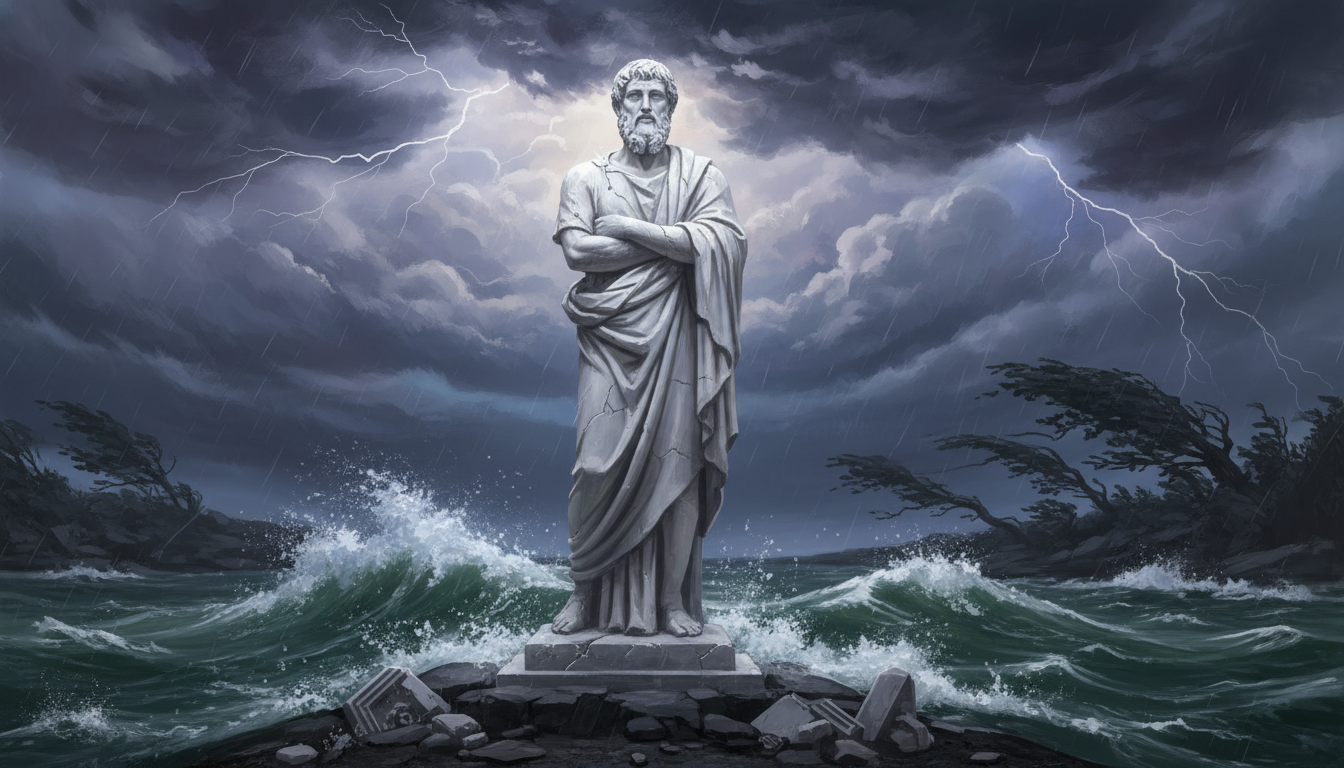
Marcus Aurelius, the most powerful man in the ancient world, struggled with the same issues we face today: distraction, lack of motivation, and the weight of unnecessary obligations. His primary solution was the practice of essentialism. By constantly asking the question, "Is this essential?", he sought to eliminate the frivolous activities that drain our mental resources. Most of what we say and do is not necessary; it is merely social conditioning or a reaction to external noise. When we strip away the inessential, we gain the double benefit of doing the essential things better.
Motivation is often a finite resource. If we waste our willpower on petty battles and meaningless tasks, we have nothing left for our true purpose. Marcus argued that if your to-do list is winnowed down only to what truly matters, your internal friction disappears. This isn't about being lazy; it is about strategic focus. By eliminating the 'busy work' of life, you marshal your energy for the actions that define your character and legacy.
To live essentially is to realize that our time is limited. Marcus reminded himself that we often waste time on things that don't satisfy our higher self. We seek the approval of people we don't even like, or we worry about problems that haven't happened yet. This waste of spirit is the true tragedy of the human condition. By focusing on the essential, you reclaim your life from the chaos of the world.
| Focus Area | Inessential Action | Essential Stoic Action |
|---|---|---|
| Social Life | Worrying about gossip | Acting with integrity regardless of rumors |
| Career | Seeking status and fame | Doing the work with absolute excellence |
| Personal Growth | Procrastinating on hard tasks | Focusing on the immediate next step |
Emotional Sovereignty: The Power of Perspective and Judgment
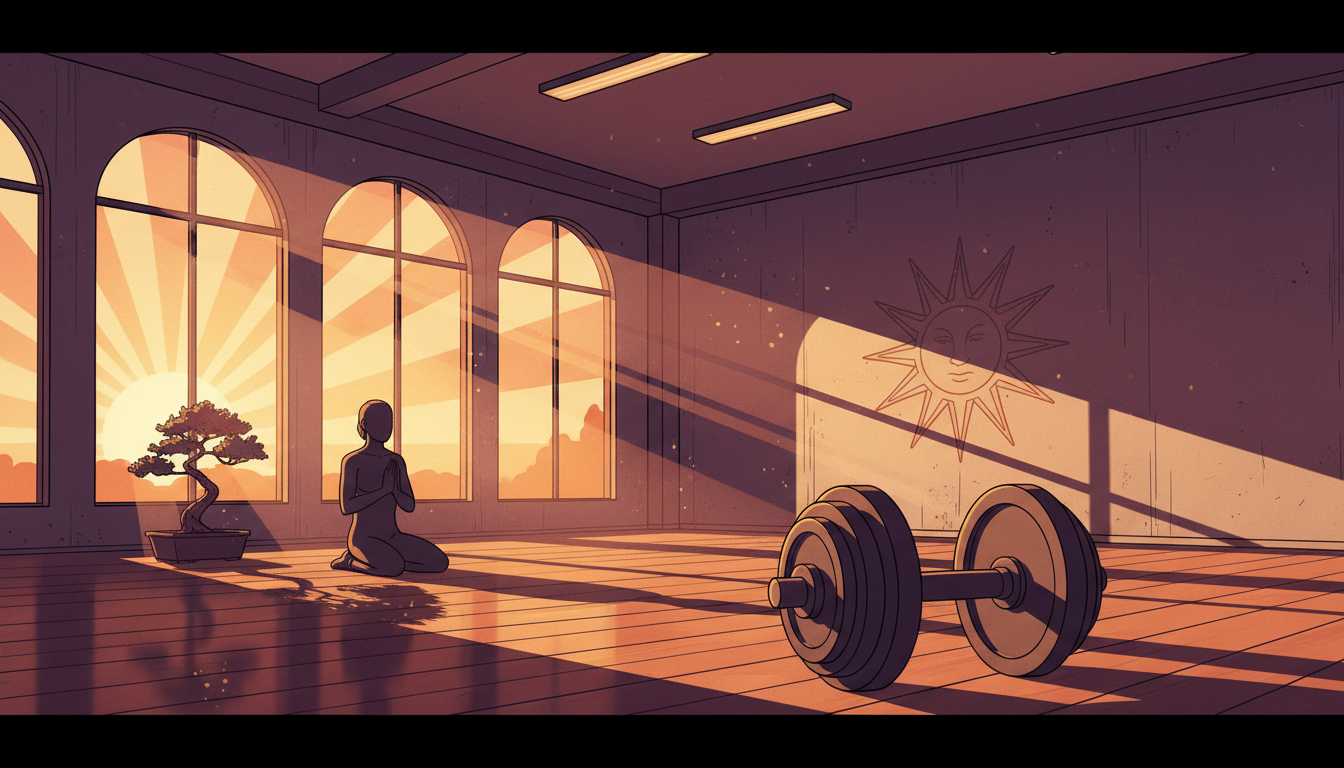
One of the most radical ideas in Stoicism is that external events do not have the power to hurt us; only our interpretation of them does. Marcus Aurelius famously stated, "You always have the power to have no opinion." This means that when something happens—whether a betrayal, a loss, or a minor inconvenience—you do not have to label it as 'bad.' By withholding judgment, you maintain your internal peace. This is not apathy; it is the ultimate form of emotional sovereignty.
Marcus used the metaphor of a rock in the sea. Waves crash over it constantly, but the rock stands unmoved. Eventually, the raging sea falls still around it. This is the goal of the Stoic: to be the steady point in a chaotic environment. When you stop extrapolating and imagining every possible worst-case scenario, you find that the present moment is almost always manageable. Anxiety is not caused by the future; it is caused by our projection of the future.
ここからが大事な
ポイントです
具体例・注意点・明日から使えるヒントを整理しています。
✨無料閲覧で全文 + 図解の完全版を3日間いつでも読み返せる
あなたの好きな動画も、
1〜2分でAI要約
📚 お気に入り保存 + ✨ あなたの動画をAI要約
(無料登録10秒)
✏️ この記事で学べること
- ▸『 』 、 。 、 、 、 。
10秒で完了・パスワード作成不要