The Great Software Engineering Paradox of 2026
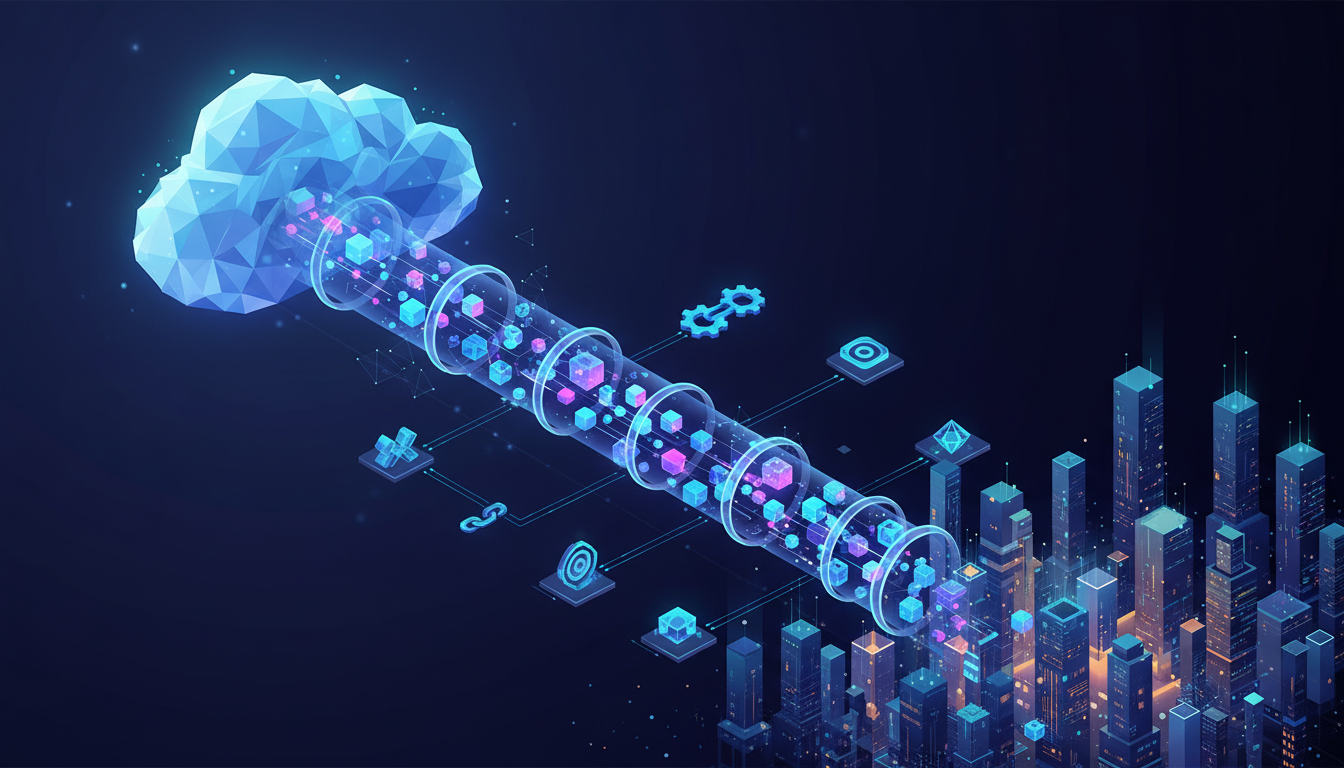
The tech industry is currently navigating a period of unprecedented cognitive dissonance. Since early 2023, high-profile figures from NVIDIA and Anthropic have repeatedly predicted the imminent demise of software engineering. For instance, Jensen Huang, CEO of NVIDIA, suggested that traditional coding might soon become obsolete due to AI capabilities. Similarly, leaders at Anthropic have forecasted that the majority of code will be AI-generated within extremely short timelines. This constant cycle of "the end is six months away" has created a landscape of anxiety for both veterans and newcomers alike. However, the reality is far more nuanced than a binary survival or extinction event.
To understand the current climate, we must recognize that this is not just a technical challenge; it is a human-centric one. While AI-driven development tools like Bolt, Lovable, and Replit are reaching incredible levels of proficiency, the decision to replace human workers is often driven by leadership sentiment rather than purely technical benchmarks. Even if AI-generated code—often referred to as vibe code—works only sporadically, organizational pressure to automate can still disrupt the market. Therefore, the risk is split: 50% technical capability and 50% human psychology and leadership trends. This suggests that the future is less about the death of a job and more about the radical transformation of its core functions.
| Scenario | Primary Driver | Likely Outcome |
|---|---|---|
| Total Automation | Advanced AGI | Collapse of the desk-job economy |
| AI Stagnation | Technical Plateaus | Programming remains a manual craft |
| The Middle Path | AI Integration | Evolution of roles into AI Orchestrators |
Redefining the Coder: From Manual Labor to AI Orchestration
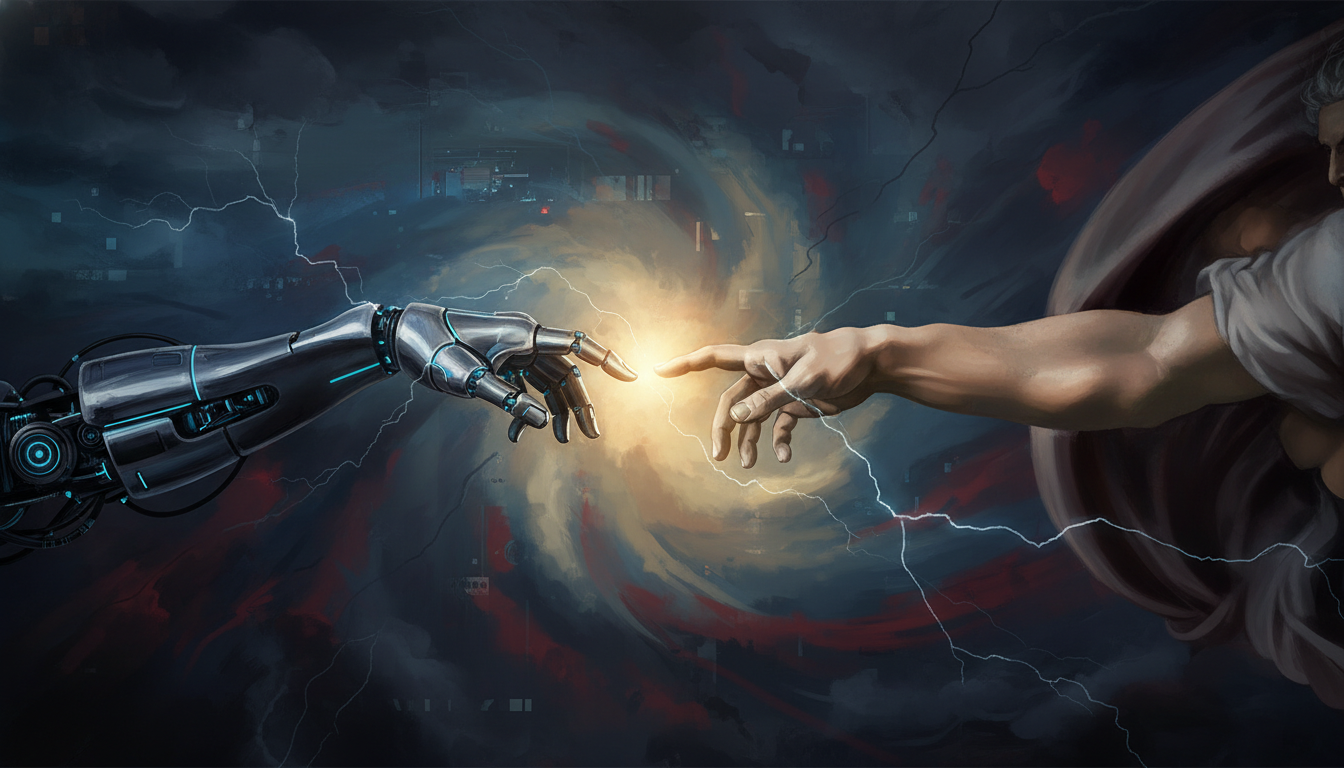
The most probable future for software development involves a shift in the "day-to-day" labor. Historically, a programmer spent hours wrestling with esoteric syntax, such as the strict borrow checker in Rust or complex pointer logic. In the new paradigm, these grunt tasks—writing unit tests, setting up boilerplate, and drafting basic business logic—are increasingly delegated to AI agents. The developer is evolving into a high-level architect who provides the vision and constraints, while the AI executes the repetitive implementation details. This shift explains why the senior developer market remains robust while entry-level positions face increased scrutiny.
However, this evolution does not mean junior developers are obsolete; rather, the bar for what constitutes a "junior" skill set is rising. Instead of spending months mastering the specific syntax of a single language, new learners must quickly transition to understanding System Design and cross-functional debugging. AI tools can generate code, but they often struggle with the subtle, systemic bugs that occur when multiple services interact. The ability to navigate these complex digital ecosystems is becoming the new gold standard for technical employment. The role of the developer is becoming less about writing the code and more about ensuring the code's integrity and purpose.
ここからが大事な
ポイントです
具体例・注意点・明日から使えるヒントを整理しています。
✨無料閲覧で全文 + 図解の完全版を3日間いつでも読み返せる
あなたの好きな動画も、
1〜2分でAI要約
📚 お気に入り保存 + ✨ あなたの動画をAI要約
(無料登録10秒)
✏️ この記事で学べること
- ▸2026 AI
- ▸AI
10秒で完了・パスワード作成不要