The Paradigm Shift: From Deterministic to Agentic Automation
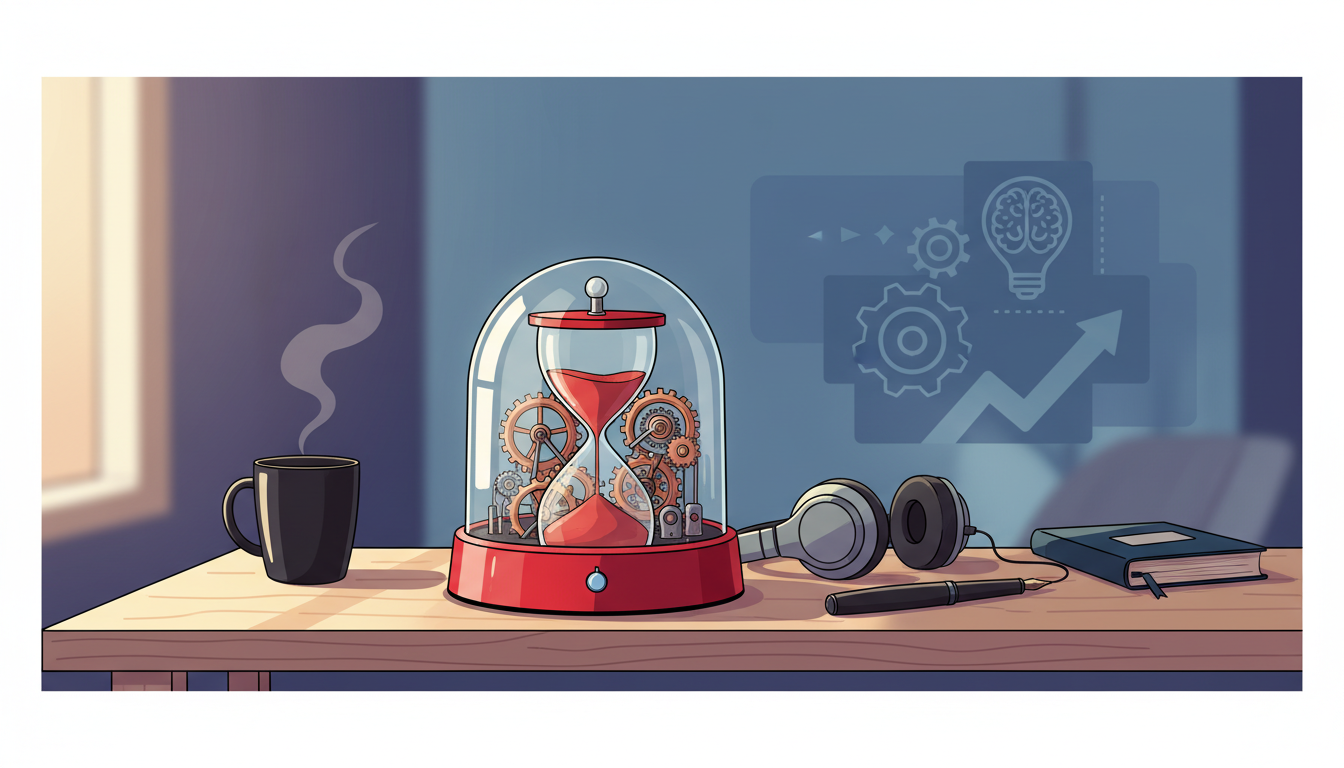
The evolution of business automation has reached a critical turning point. For years, professionals relied on traditional automation tools like Make or n8n to streamline repetitive tasks. These systems are inherently deterministic, meaning they follow a rigid, predictable path. You drag a node, connect it to another, and define the exact variables. While effective for simple tasks, these 'paper map' systems fail when faced with variability. If a single API response changes or a website structure shifts, the entire workflow breaks, requiring manual intervention to diagnose and fix the error.
In contrast, agentic workflows introduce a non-deterministic approach where the AI is given a goal rather than a set of instructions. This is the difference between following a static map and using a modern GPS system that automatically recalculates your route when you take a wrong turn. Agentic AI uses reasoning to bridge the gap between intent and execution. It can handle judgment calls, conduct independent research, and adapt to unforeseen obstacles without human oversight. The ultimate goal of an AI automation builder is to make these non-deterministic processes as deterministic as possible for business consistency.
| Feature | Traditional Automation | Agentic AI Workflows |
|---|---|---|
| Logic Style | Manual, step-by-step nodes | Outcome-oriented reasoning |
| Adaptability | Breaks on unexpected input | Self-heals and recalculates |
| Development | Developer-heavy logic | Natural language goal-setting |
| Error Handling | Requires manual debugging | Autonomous error research and fixing |
Mastering the WAT Framework: Workflows, Agents, and Tools
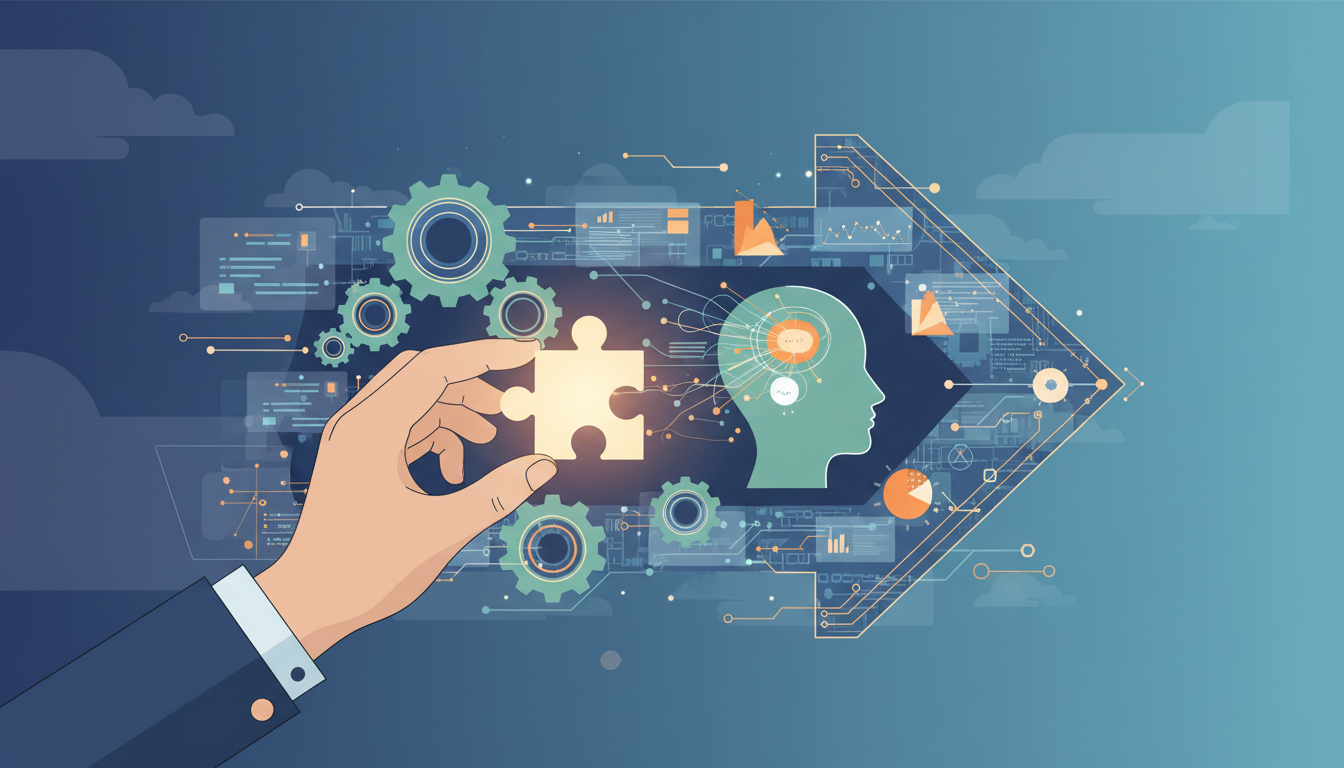
To build a successful agentic system, structure is paramount. Without it, an AI agent becomes like a school locker overflowing with unorganized papers; it might possess the right information, but it cannot find it efficiently. This is why we utilize the WAT Framework, which stands for Workflows, Agent, and Tools. Each layer plays a specific role in the ecosystem, ensuring that the AI remains focused, organized, and capable of high-level task execution. This structure prevents 'context rot' and ensures the system remains scalable.
Workflows are the instructions, typically written in Markdown files. Think of these as standard operating procedures (SOPs) or job descriptions. They tell the agent what the general process should be—such as 'Research competitors, then analyze pricing, then generate a report.' The Agent is the coordinator, the 'brain' of the operation (in this case, Claude Code). It reads the workflows and decides which tools to deploy. Finally, Tools are modular Python scripts that perform specific actions, like scraping a website or generating a PDF.
ここからが大事な
ポイントです
具体例・注意点・明日から使えるヒントを整理しています。
✨無料閲覧で全文 + 図解の完全版を3日間いつでも読み返せる
あなたの好きな動画も、
1〜2分でAI要約
📚 お気に入り保存 + ✨ あなたの動画をAI要約
(無料登録10秒)
✏️ この記事で学べること
- ▸AI
- ▸WAT
10秒で完了・パスワード作成不要