The Strategic Fork: Google Search vs. OpenAI Chat
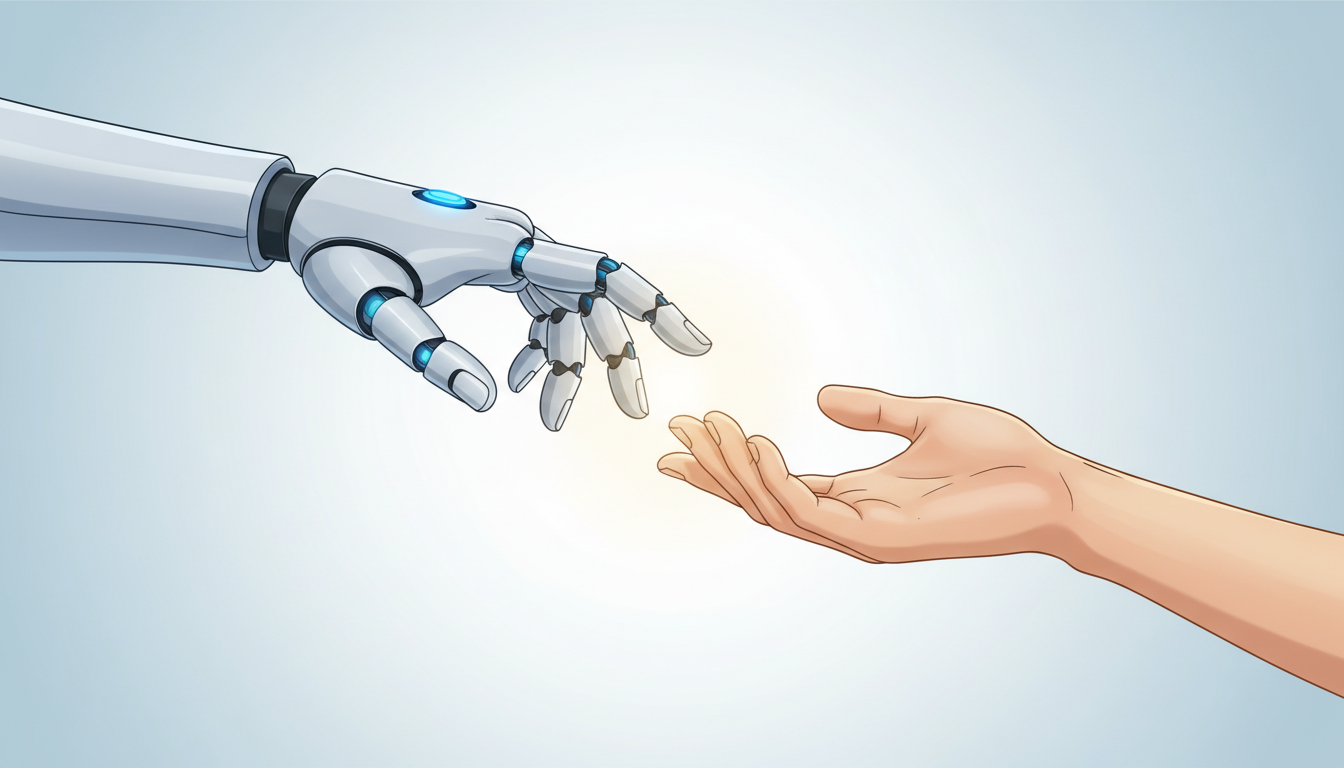
The landscape of artificial intelligence in 2026 has crystallized into two distinct visions of the future. Following the multi-hour Google I/O event, it is clear that Google is betting on the search box as the ultimate AI portal while rivals like OpenAI and Anthropic are doubling down on the chat interface. Google’s strategy revolves around integrating 'good enough' AI into every facet of the search experience, allowing users to perform complex tasks without ever leaving the familiar search bar. This approach prioritizes convenience and advertising revenue, contrasting sharply with the subscription-heavy, chat-first model favored by its competitors.
While OpenAI wants the chat box to eventually handle search, Google wants search to handle everything AI can offer. This leads to a fundamental difference in user experience design. Google isn't necessarily claiming to have the single most powerful coding model at the absolute frontier; instead, they are focusing on a strategy of seamless integration across their ecosystem. By making Gemini the engine behind every Google product, they leverage their massive existing user base to maintain dominance in the consumer AI space.
| Feature | Google Strategy | OpenAI Strategy |
|---|---|---|
| Primary Interface | Search Bar Integration | Standalone Chat Interface |
| Revenue Model | Advertising Dominance | Subscription & API Usage |
| Target User | General Consumers | Professional & Power Users |
World Models vs. Reasoning: The Philosophical Divide to AGI

A deeper story emerged from the 2026 discussions regarding the path to Artificial General Intelligence (AGI). Google, led by figures like Demis Hassabis, is increasingly vocal about the importance of World Models. The logic is simple yet profound: if an AI can accurately simulate the physical world—understanding gravity, kinetic energy, and intuitive physics—it can truly understand reality. This vision is embodied in models like VEO and Gemini Omni, which aim to process any input (video, audio, text) into any output. Google views video generation not just as a creative tool, but as a stepping stone to AGI.
Conversely, OpenAI has shifted its focus. While they previously touted Sora as a path to understanding the real world, current trends suggest a pivot toward the Reasoning Model tree. Leaders like Greg Brockman argue that text-based reasoning and self-improvement breakthroughs are sufficient to reach AGI. This has led to internal reallocations of compute power, moving away from pure video simulation and toward deeper logical processing. This philosophical fork represents the most significant divergence in AI research today.
ここからが大事な
ポイントです
具体例・注意点・明日から使えるヒントを整理しています。
✨無料閲覧で全文 + 図解の完全版を3日間いつでも読み返せる
あなたの好きな動画も、
1〜2分でAI要約
📚 お気に入り保存 + ✨ あなたの動画をAI要約
(無料登録10秒)
✏️ この記事で学べること
- ▸Perspectives on Google's search-integrated AI strategy versus the chat-centric approach
- ▸Understanding the philosophical divide between World Models and pure Reasoning paths
10秒で完了・パスワード作成不要