Redefining Trauma and its Physiological Impact on the Human Brain

To understand mental health in the modern era, one must first accurately define trauma. According to Dr. Paul Conti, trauma is not simply a negative event that occurs to an individual; rather, it is an experience that overwhelms an individual's coping skills and leaves them fundamentally changed. This change is not just psychological but physiological, manifesting in observable alterations to brain function. When a traumatic event occurs, it often triggers a reflex of guilt and shame, emotions that historically served as evolutionary deterrents but now act as barriers to recovery.
The human brain is wired to prioritize survival, which means negative or threatening experiences are more deeply 'emlazened' in our memory than positive ones. This biological priority ensures we remember dangers, yet in the modern world, this leads to a state of heightened vigilance and chronic anxiety. These changes are evident in behavior, mood, sleep, and physical health, creating a cycle where the traumatized individual feels a sense of non-belonging and responsibility for their own suffering.
| Concept | Evolutionary Origin | Modern Manifestation |
|---|---|---|
| Trauma Response | Survival and avoidance of danger | Chronic anxiety and brain function changes |
| Shame | Behavioral deterrent within a tribe | Barrier to seeking help and social isolation |
| Guilt | Social accountability | Self-blame and internal emotional stagnation |
The Mechanism of Repetition Compulsion and the Dominance of Emotion
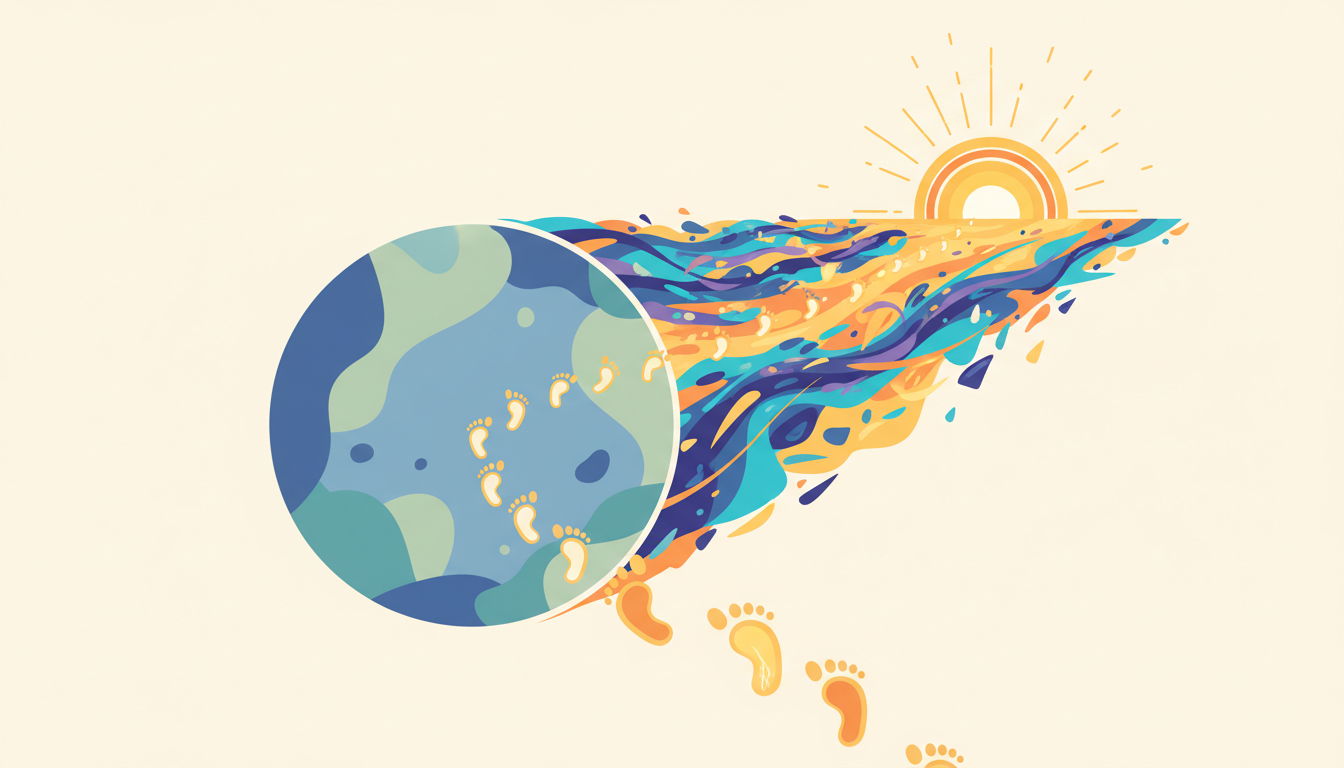
A critical concept in trauma recovery is the repetition compulsion. This phenomenon describes the tendency of individuals to repeat traumatic patterns—such as entering multiple abusive relationships—in a subconscious attempt to 'fix' the original wound. Dr. Paul Conti notes that patients often believe they have had many different failed experiences, when in reality, they have had the same experience repeated multiple times. This occurs because the limbic system (the brain's emotional center) does not operate on a linear timeline; it seeks relief in the present for a pain that originated in the past.
In the hierarchy of the brain, emotion almost always trumps logic. While a person may logically know a situation is harmful, the emotional drive to achieve a different outcome in a familiar setting is incredibly powerful. This internal 'arousal' can manifest as exhaustion, anger, or extreme anxiety. Breaking this cycle requires a shift from 'problem describing' to 'problem solving' through deep introspection and externalized dialogue.
ここからが大事な
ポイントです
具体例・注意点・明日から使えるヒントを整理しています。
✨無料閲覧で全文 + 図解の完全版を3日間いつでも読み返せる
あなたの好きな動画も、
1〜2分でAI要約
📚 お気に入り保存 + ✨ あなたの動画をAI要約
(無料登録10秒)
✏️ この記事で学べること
- ▸「」
10秒で完了・パスワード作成不要