Mastering the Inner Citadel: The Power of Selective Opinion and Control
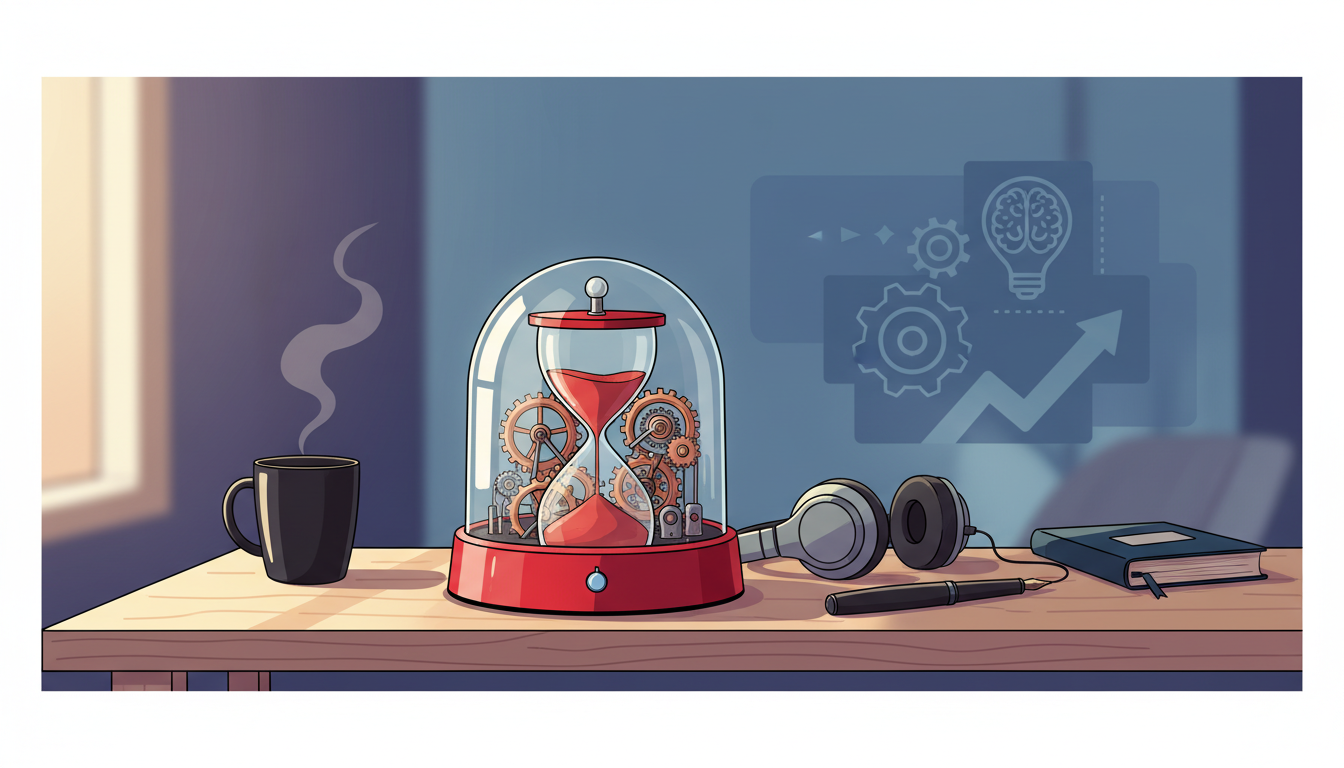
In an era defined by rapid information cycles and constant breaking news, the primary Stoic challenge is maintaining internal peace. Marcus Aurelius famously argued that we always possess the power to have no opinion. Most global events do not require our judgment or emotional investment. By refusing to chase every trend or outrage, we preserve the mental bandwidth necessary for meaningful work. This selective focus is not about ignorance but about strategic prioritization of our cognitive resources.
According to Epictetus, the core of philosophy lies in the 'dichotomy of control.' We must distinguish between what is up to us—our opinions, intentions, and actions—and what is not—the weather, the economy, and others' behavior. When we tie our well-being to external outcomes, we become vulnerable to the whims of fortune. By shifting our focus inward, we create an unshakeable foundation that remains stable even when the world is in turmoil.
| Internal Control | External Chaos |
|---|---|
| Personal Values | Global Market Trends |
| Ethical Responses | Public Opinions |
| Daily Habits | Breaking News Updates |
| Intentional Action | Others' Criticism |
We must learn to test every impression as a money changer checks for counterfeit currency. When a strong emotion or a provocative piece of information arises, we should pause. This 'Roman concentration' allows us to verify if an assumption is true or if it aligns with our desired character. In 2026, the ability to lock in and tune out the noise will be a competitive advantage for any leader or professional.
The Architecture of Time: Essentialism and Daily Rituals

Time is the only non-renewable resource, yet we often treat it with less care than our physical property. Seneca (Seneca) observed that life is not short, but we make it so by wasting it on the inessential. To have a productive year, one must adopt a philosophy of 'less but better.' This requires a ruthless audit of our commitments. If a task, meeting, or social obligation does not 'move the needle' or serve a higher purpose, it must be eliminated to make room for what truly matters.
- Audit all recurring subscriptions and digital drains.
- Establish a sacred morning routine before the world demands your attention.
- Use the evening for a rigorous self-review through journaling.
- Practice the 'power of No' to protect your primary objectives.
Marcus Aurelius treated the morning as a sacred time for action, resisting the urge to stay under the covers. The quiet hours of the dawn offer a golden window where the mind is clear and external demands are minimal. Conversely, the evening should be used for reflection. Seneca would wait for his household to sleep before interrogating his actions of the day. This practice of journaling ensures accountability and prevents the repetition of past mistakes, turning every day into a step toward self-mastery.
ここからが大事な
ポイントです
具体例・注意点・明日から使えるヒントを整理しています。
✨無料閲覧で全文 + 図解の完全版を3日間いつでも読み返せる
あなたの好きな動画も、
1〜2分でAI要約
📚 お気に入り保存 + ✨ あなたの動画をAI要約
(無料登録10秒)
✏️ この記事で学べること
- ▸「」
- ▸、
10秒で完了・パスワード作成不要