The Ultimate Contrast: Expertise vs. Material Advantage
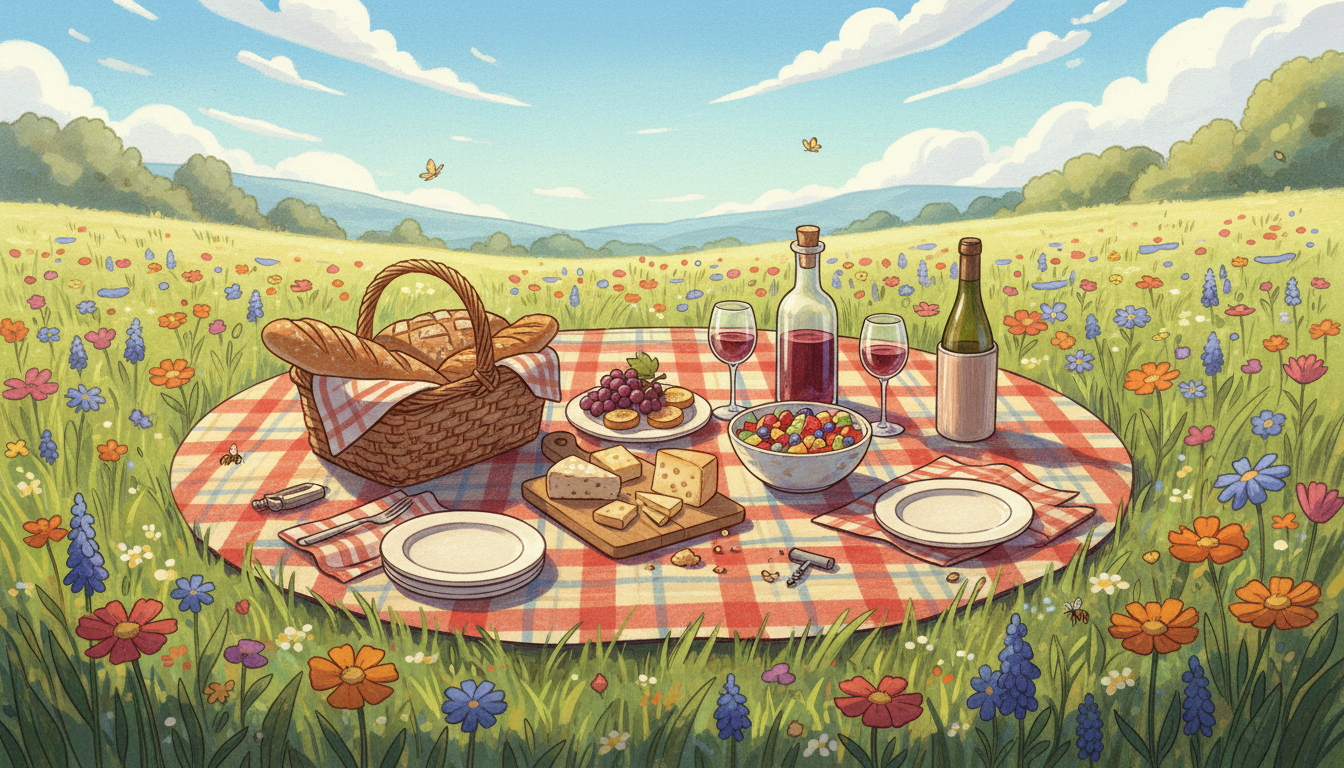
The experiment orchestrated by MrBeast features two distinct groups: the Professional Team (Blue) and the Amateur Team (Red). The Blue team consists of survival experts who have spent years practicing skills like primitive shelter building and foraging. In contrast, the Red team is composed of average citizens who were given a significant advantage: the opportunity to purchase supplies from a store before the challenge began. This setup raises a fundamental question about whether raw knowledge can overcome the immediate utility of modern gear in a high-stakes environment.
Initially, the Red team appeared to have the upper hand. They arrived with tarps, ropes, 24-packs of water, and lighters. These items provided immediate comfort and a sense of security. The Blue team, however, was left with nothing but the clothes on their backs and their expertise. This early phase highlights a critical business and survival lesson: the difference between short-term convenience and long-term sustainability. While gear solves immediate problems, it does not provide the foundational logic needed when those resources eventually run out.
| Category | Professional Team (Blue) | Amateur Team (Red) |
|---|---|---|
| Initial Assets | High Knowledge, Zero Gear | Low Knowledge, Store Gear |
| Shelter Strategy | Natural debris (insulation) | Store-bought tents/tarps |
| Food Management | Foraging and rationing | Rapid consumption of stock |
| Morale | Tested by lack of comfort | High early on, dropped fast |
The Harsh Reality of Environmental Stress
As the first night fell, the theoretical advantages of both teams were put to a brutal test. The temperature dropped significantly, and the ground became damp. The Blue team, led by experts like Seth, focused on building 'debris huts' with thick layers of leaves. They understood that branches alone do not provide warmth; you need at least 30 centimeters of insulation to trap body heat. Despite this knowledge, the physical toll was immense. Two members of the Professional team dropped out almost immediately, including a 66-year-old man with joint replacements who realized his physical limits could not match his mental experience.
This early attrition serves as a reminder that physical health and environmental preparation are inseparable. Even the most skilled expert can be sidelined by physiological factors beyond their control. Meanwhile, the Red team slept comfortably in their tents, feeling 'lucky' to be away from society. However, this comfort was deceptive. It masked the reality that they were not building any sustainable systems for the days to follow, creating a false sense of security that would soon be shattered by hunger.
ここからが大事な
ポイントです
具体例・注意点・明日から使えるヒントを整理しています。
✨無料閲覧で全文 + 図解の完全版を3日間いつでも読み返せる
あなたの好きな動画も、
1〜2分でAI要約
📚 お気に入り保存 + ✨ あなたの動画をAI要約
(無料登録10秒)
✏️ この記事で学べること
- ▸Differences in initial preparation strategies
- ▸Impact of professional knowledge versus store-bought resources
10秒で完了・パスワード作成不要